Malayan Emergency
Videos
The Malayan Emergency, also known as the Anti–British National Liberation War, was a guerrilla war fought in Malaya between communist pro-independence fighters of the Malayan National Liberation Army

RAAF Avro Lincoln Malaya 1950
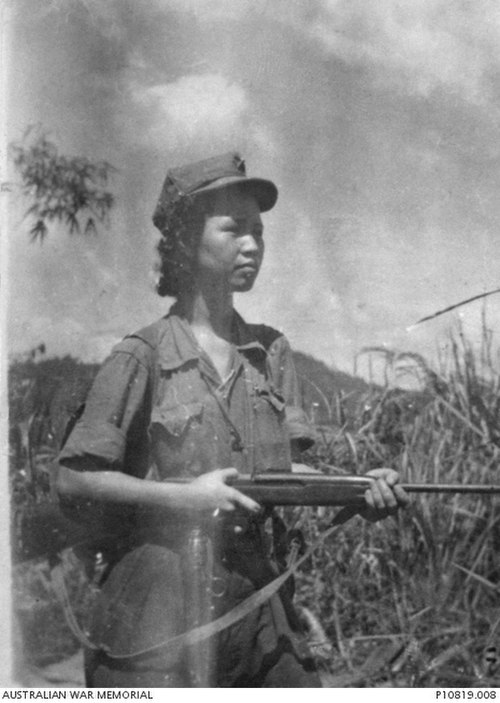
Outdoor portrait of Lee Min, leader of the communist Kepayang Gang in the Ipoh district in 1951

The Malayan Emergency 1948 1960 MAL35

Commonwealth propaganda leaflet dropped across Malaya, urging people to come forward with a Bren gun and receive a $1,000 reward
Federation of Malaya
Videos
Malaya, officially the Federation of Malaya, was a country in Southeast Asia from 1948 to 1963. It succeeded the Malayan Union and, before that, British Malaya. It comprised eleven states – nine Malay
Malayan Emergency
…The Malayan Emergency, also known as the Anti–British National Liberation War, (1948–1960) was a guerrilla war fought in Malaya between communist pro-independence fighters of the Malayan National Liberation Army (MNLA) and the military forces of the Federation of Malaya and the…

Dato' Onn bin Jaafar Mentri Besar of Johor, and President of the United Malays National Organisation, unpacking the State and Federation of Malaya Agreements with Dr. W. Linehan, C.M.G. Adviser on Constitutional Affairs, for the signatures of His Highness the Sultan of Johor, 1948
