Mammoth steppe
Videos
The mammoth steppe, also known as steppe-tundra, was once the Earth's most extensive biome. During glacial periods in the later Pleistocene, it stretched east to west from the Iberian Peninsula in the

Ukok Plateau, one of the last remnants of the mammoth steppe

Artemisia, Taymyr lowlands 24,000–10,300 YBP, Yakutia 22,500 YBP, Alaska and the Yukon 15,000-11,500 YBP

Cyperaceae (sedges), Yakutia 22,500 YBP, Alaska and the Yukon 15,000-11,500 YBP
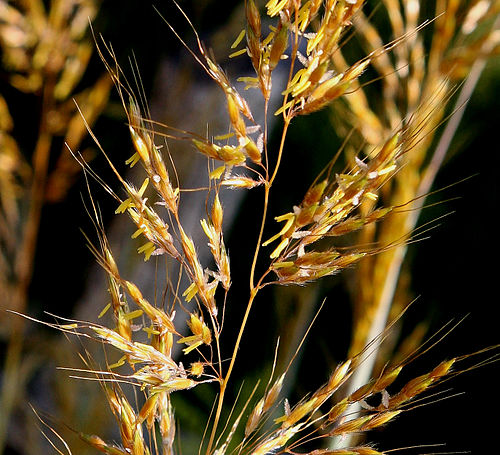
Gramineae (grasses), Taymyr lowlands 24,000–10,300 YBP, Yakutia 22,500 YBP, Alaska and the Yukon 15,000-11,500 YBP
Woolly mammoth
Videos
The woolly mammoth is an extinct species of mammoth that lived from the Middle Pleistocene until its extinction in the Holocene epoch. It was one of the last in a line of mammoth species, beginning wi
Mammoth steppe
…scimitar cats, and caribou. The fauna was dominated by species such as reindeer, muskox, saiga antelope, steppe bison, horses, woolly rhinoceros and woolly mammoth. These herbivores, in turn, were followed and preyed upon by various carnivores, such as wolves, brown bears, Panthera spelaea (the cave or steppe-lion…
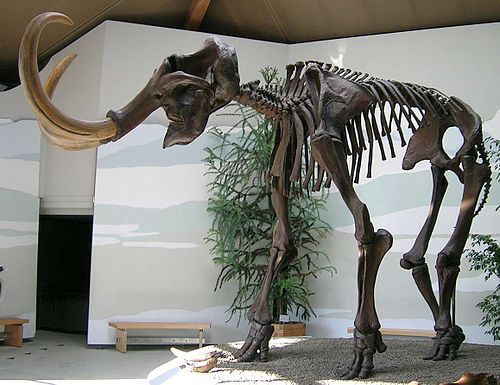
Siegsdorfer Mammut

Georges Cuvier's 1796 comparison between the mandible of a woolly mammoth (bottom left and top right) and an Indian elephant (top left and bottom right)

Copy of an interpretation of the "Adams mammoth" carcass from around 1800, with Johann Friedrich Blumenbach's handwriting

1930s illustration of the lectotype molars; the left one is now lost.