Maroon beret
Videos
The maroon beret in a military configuration has been an international symbol of airborne forces since the Second World War. It was first officially introduced by the British Army in 1942, at the dire
British soldier from 21 (Gibraltar 1779–83) Air Assault Battery RA (serving with 16 Air Assault Brigade)

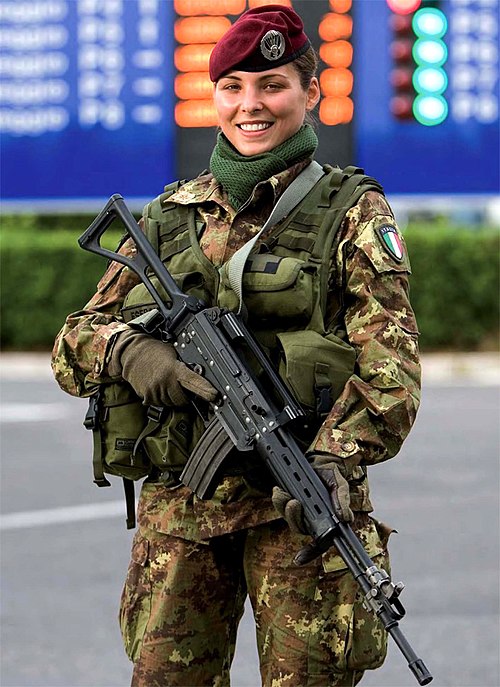
A soldier of Italy's Folgore Brigade

1st Paratroopers Carabinieri Regiment "Tuscania", also from Italy

Afghan National Army commandos
Military beret
Videos
Troops began wearing berets as a part of the headgear of military uniforms in some European countries during the 19th century; since the mid-20th century, they have become a component of the uniforms
Maroon beret
…All personnel of the Venezuelan National Guard wear maroon berets. Other military berets by colour: Black beret…
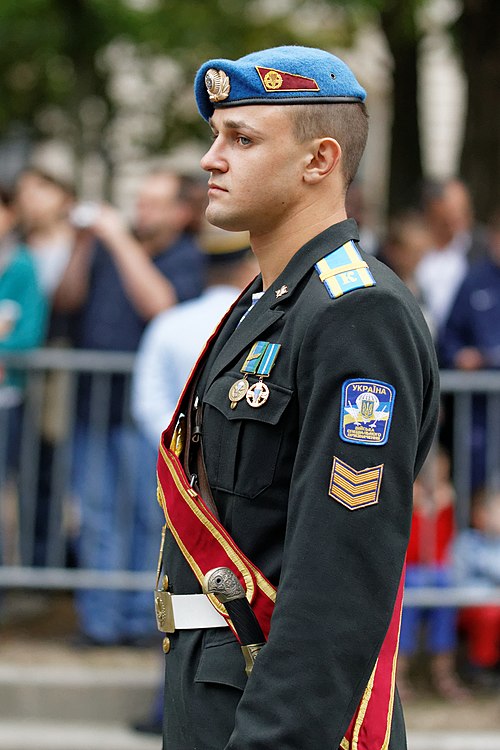
A Ukrainian military cadet in a light blue beret, formerly for Ukrainian DShV.
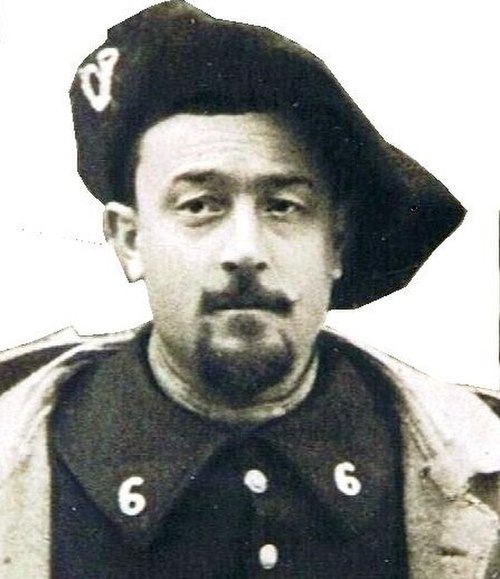
A French chasseur alpin in World War I, with his distinctive large beret

Australian and US paratroopers exchange wings during Talisman Sabre 2011

A Canadian jumpmaster of the Royal Canadian Regiment with a maroon beret