Martin Luther King Jr.
Videos
Martin Luther King Jr. was an American civil rights activist and Baptist minister who was a prominent leader of the civil rights movement from 1955 until his assassination in 1968. He advanced civil r
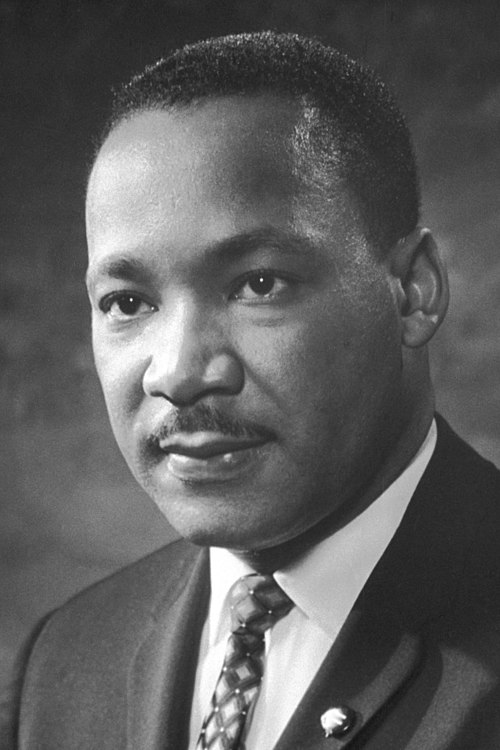
King in 1964

King's childhood home in Atlanta

The high school that King attended was named after African-American educator Booker T. Washington.

King received a Bachelor of Divinity degree from Crozer Theological Seminary in 1951 (pictured in 2009).
Martin Luther King III
Videos
Martin Luther King III is an American human rights activist and philanthropist. The second child and eldest son of civil rights leaders Martin Luther King Jr. and Coretta Scott King, he served as the
Martin Luther King Jr.
…me." King married Scott on June 18, 1953, on the lawn of her parents' house, in Heiberger, Alabama. They had four children: Yolanda King (1955–2007), Martin Luther King III (b. 1957), Dexter Scott King (1961–2024), and Bernice King (b. 1963). King limited Coretta's role in the civil rights movement, expecting her to be a…

King in 2023

King in 2012

MLK April 4, 2011 rally

King meeting with Israeli president Reuven Rivlin in 2016. In the background is an Israeli artwork made of basalt ash.