Mechanics
Videos
Mechanics is the area of physics concerned with the relationships between force, matter, and motion among physical objects. Forces applied to objects may result in displacements, which are changes of
Arabic machine in a manuscript of unknown date


First European depiction of a piston pump, by Taccola, c. 1450.
Classical mechanics
Videos
In physics, classical mechanics is a theory that describes the effect of forces on the motion of macroscopic objects and bulk matter, without considering quantum effects, and often without incorporati
Mechanics
…modern period, scientists such as Galileo Galilei, Johannes Kepler, Christiaan Huygens, and Isaac Newton laid the foundation for what is now known as classical mechanics. In the 20th century the concepts of classical mechanics were challenged by new discoveries, leading to fundamentally new approaches including relativistic…

Sir Isaac Newton (1643–1727), an influential figure in the history of physics and whose three laws of motion form the basis of classical mechanics

Lagrange's contribution was realising Newton's ideas in the language of modern mathematics, now called Lagrangian mechanics.
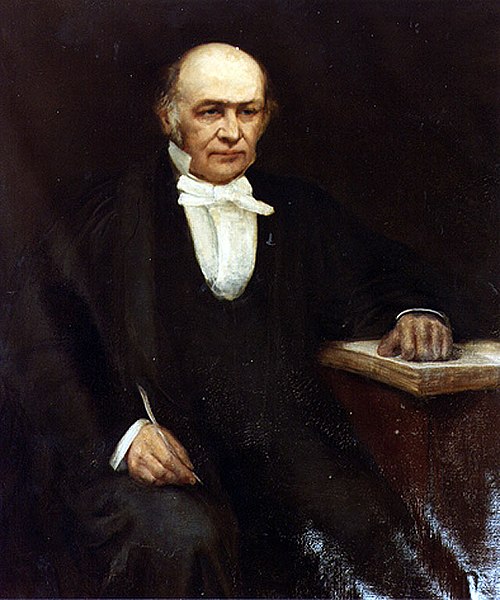
Hamilton developed an alternative to Lagrangian mechanics now called Hamiltonian mechanics.