Millerism
Videos
The Millerites were the followers of the teachings of William Miller, who in 1831 first shared publicly his belief that the Second Advent of Jesus Christ would occur in roughly between 1843 and 1844.
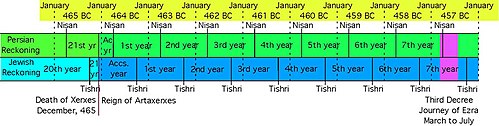
The beginning of the 2,300 days: The decree of Artaxerses in the 7th year of his reign (457 BC) as recorded in Ezra marks the beginning of the 2300 days. King's reigns were counted from New Year to New Year following an Accession Year. The Persian New Year began in Nisan (March–April). The Jewish civil New Year began in Tishri (September–October).
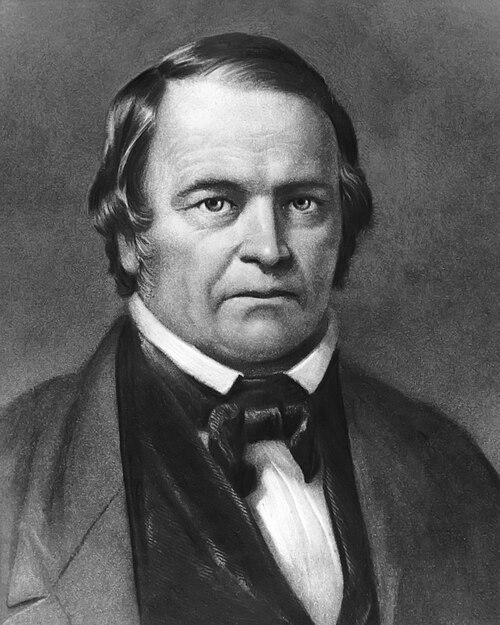
William Miller
Seventh-day Adventist Church
Videos
The Seventh-day Adventist Church is an Adventist Christian denomination which is distinguished by its observance of Saturday, the seventh day of the week in the Christian and the Hebrew calendar, as t
Millerism
…Signs of the Times to publicize them. The first edition was published on February 28, 1840, with Himes as editor. It continues to be published by the Seventh-day Adventist Church as a monthly evangelistic magazine under the same name. Periodical literature played a part in the rapid and widespread dissemination of Millerite…

Ascension Rock where some Millerites waited for the Second Coming of Jesus

Baptism of young man in Mozambique

Corn flakes package from 1906

Sanitarium products for sale