Mind–body dualism
Videos
In the philosophy of mind, mind–body dualism denotes either that mental phenomena are non-physical, or that the mind and body are distinct and separable. Thus, it encompasses a set of views about the
Dominican friar and philosopher Thomas Aquinas depicted in an altarpiece panel


Another one of Descartes' illustrations. The fire displaces the skin, which pulls a tiny thread, which opens a pore in the ventricle (F) allowing the "animal spirit" to flow through a hollow tube, which inflates the muscle of the leg, causing the foot to withdraw.
Philosophy of mind
Videos
Philosophy of mind is a branch of philosophy that deals with the nature of the mind and its relation to the body and the external world.
Mind–body dualism
…In the philosophy of mind, mind–body dualism denotes either that mental phenomena are non-physical, or that the mind and body are distinct and separable. Thus, it encompasses a…

Portrait of René Descartes by Frans Hals (1648)

John Searle—one of the most influential philosophers of mind, proponent of biological naturalism (Berkeley 2002)
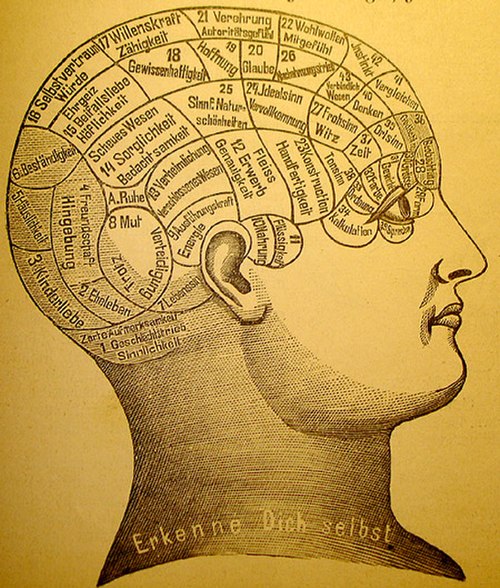
A phrenological mapping of the brain – phrenology was among the first attempts to correlate mental functions with specific parts of the brain although it is now widely discredited.
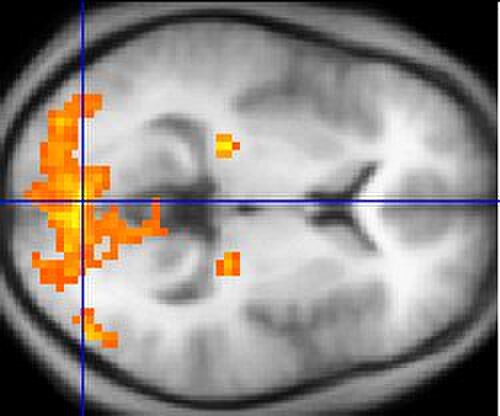
Since the 1980s, sophisticated neuroimaging procedures, such as fMRI (above), have furnished increasing knowledge about the workings of the human brain, shedding light on ancient philosophical problems.