Moral responsibility
Videos
In philosophy, moral responsibility is the status of morally deserving praise, blame, reward, or punishment for an act or omission in accordance with one's moral obligations. Deciding what counts as "

David Eagleman explains that nature and nurture cause all criminal behavior. He likewise believes that science demands that change and improvement, rather than guilt, must become the focus of the legal justice system.

Some forms of compatibilism suggest the term free will should only be used to mean something more like liberty.
Morality
Videos
Morality is a phenomenon among social animals, including humans, through which communities and individuals evaluate actions, character, and social arrangements. It often refers to a set of standards,
Moral responsibility
…In philosophy, moral responsibility is the status of morally deserving praise, blame, reward, or punishment for an act or omission in accordance with one's moral obligations. Deciding what (if anything) counts…

Morality may be observed in many prosocial or eusocial animals (Adélie penguins caring for their youths communally in a crèche on the South Orkneys).
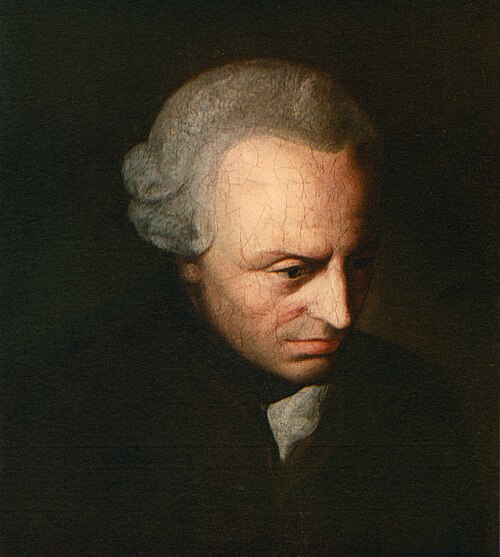
Immanuel Kant introduced the categorical imperative: "Act only according to that maxim whereby you can, at the same time, will that it should become a universal law."

Allegory with a portrait of a Venetian senator (Allegory of the morality of earthly things), attributed to Tintoretto, 1585

The Abrahamic religions prescribe morality as normative (Gebhard Fugel: Moses receives the tablets, c. 1900).