Movement conservatism
Videos
Photos
Movement conservatism is a term used by political analysts to describe conservatives in the United States since the mid-20th century and the New Right. According to George H. Nash (2009) the movement comprises a coalition of five distinct impulses. From the mid-1930s to the 1960s, libertarians, traditionalists, and anti-communists made up this coalition, with the goal of fighting the liberals' New Deal. In the 1970s, two more impulses were added with the addition of neoconservatives and the religious right.

Editor William F. Buckley Jr. (left) and former President Ronald Reagan were dominant leaders of the movement from the 1950s to the 1980s
Conservatism in the United States
Videos
Photos
Conservatism in the United States is based on a belief in limited government, individualism, traditionalism, republicanism, and limited federal governmental power in relation to U.S. states. It is one of two major political ideologies of the United States. Conservative and Christian media organizations and American conservative figures are influential, and American conservatism is a large and mainstream ideology in the Republican Party and nation. As of 2021, 36 percent of Americans consider themselves conservative, according to polling by Gallup, Inc.

William F. Buckley Jr., an author who founded National Review magazine in 1955

President Ronald Reagan holding a "Stop Communism in Central America" t-shirt on the South Lawn of the White House in March 1986

An American Legion postcard urging parents to teach religion to their children as a civic duty, c. 1930s
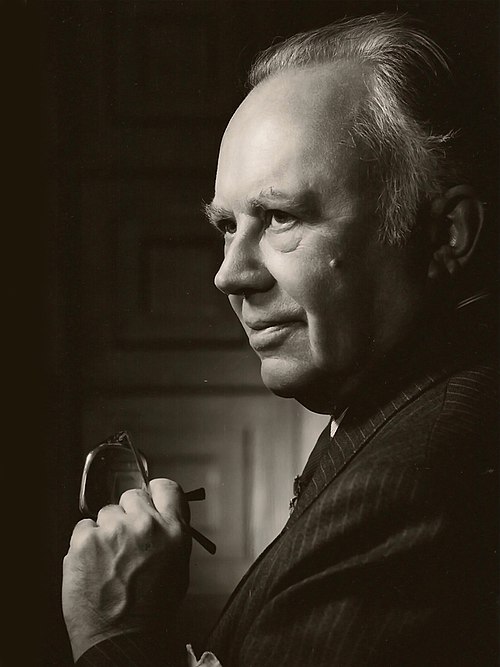
Russell Kirk, conservative theorist and author of The Conservative Mind, published in 1953