Mucilage
Videos
Mucilage is a thick gluey substance produced by nearly all plants and some microorganisms. The eukaryotic microorganisms protists use it for their locomotion, with the direction of their movement alwa

A sundew with a leaf bent around a fly trapped by mucilage

Glass container for mucilage, from the first half of the 20th century
Carnivorous plant
Videos
Carnivorous plants are plants that derive some or most of their nutrients from trapping and consuming animals or protozoans, typically insects and other arthropods, and occasionally small mammals and
Mucilage
…all plants, but usually in small amounts. It is frequently associated with substances like tannins and alkaloids. Mucilage has a unique purpose in some carnivorous plants. The plant genera Drosera (sundews), Pinguicula (butterworts), and others have leaves studded with mucilage-secreting glands, and use a "flypaper trap…

An upper pitcher of Nepenthes lowii, a tropical pitcher plant that supplements its carnivorous diet with tree shrew droppings.
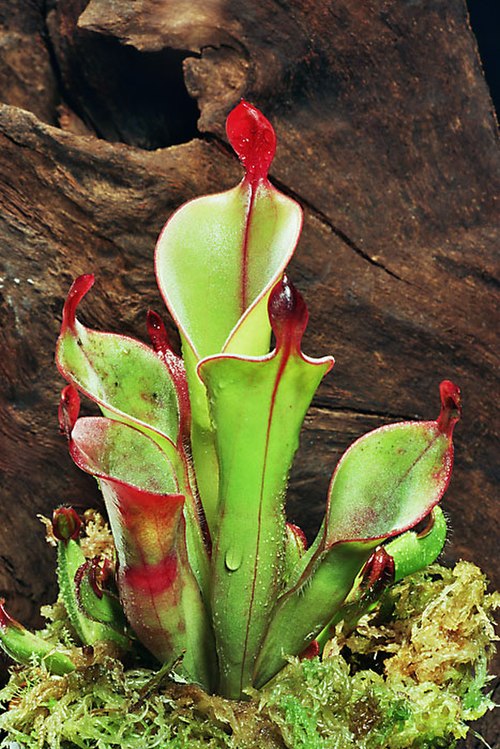
The pitchers of Heliamphora chimantensis are an example of pitfall traps.

Darlingtonia californica: note the small entrance to the trap underneath the swollen "balloon" and the colourless patches that confuse prey trapped inside.
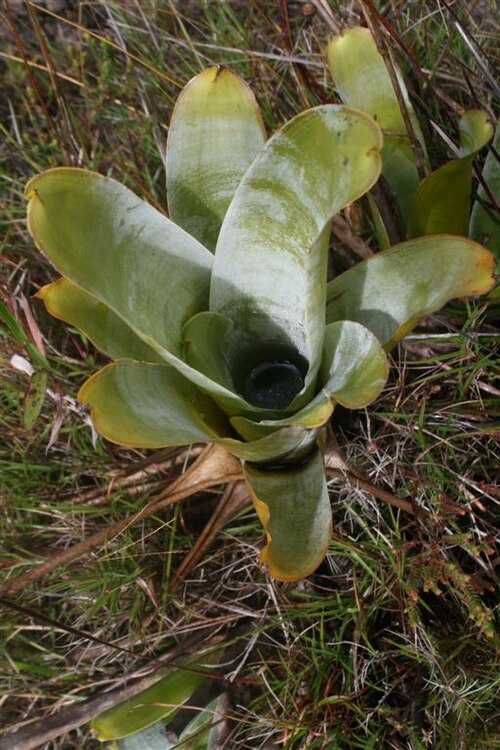
Brocchinia reducta: a carnivorous bromeliad