Muisca mummification
Videos
The Muisca inhabited the Altiplano Cundiboyacense in the Colombian Andes before the arrival of the Spanish and were an advanced civilisation. They mummified the higher social class members of their so
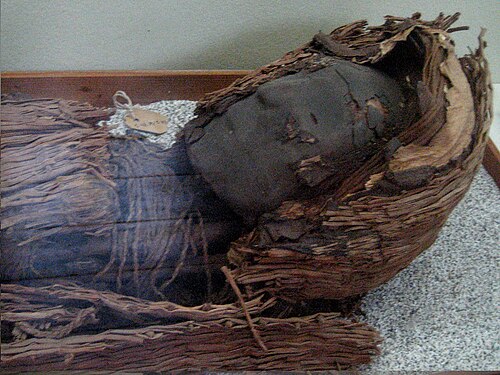
The oldest mummies of South America come from the northern Chilean Chinchorro culture.

The mummies of the higher classes were decorated with golden crowns, earrings and noserings.

Small ceramic pots filled with food accompanied the mummies in their journey to the afterlife

When the Spanish entered the sacred Sun Temple of Sogamoso in September 1537, they found mummies sitting on elevated platforms inside.
The Spanish conquest of the Muisca took place from 1537 to 1540. The Muisca were the inhabitants of the central Andean highlands of Colombia before the arrival of the Spanish conquistadors. They were
Gonzalo Jiménez de Quesada, the leader of conquest expedition from Santa Marta to the Muisca territories


The rock shelters of El Abra have provided the oldest evidence of inhabitation; lithic tools, charcoal and pictographs

The famous Muisca raft, representing the initiation ritual of the new zipa formed the basis of the legend of El Dorado, the main motive for the Spanish conquistadors to go on a decades long quest for the "Land of Gold"

The fourth voyage of Christopher Columbus (1502–03) touched the Panamanian part of later Gran Colombia, the country named after him, although he never saw the present territories of the Colombian republic