Muzharul Islam was a Bangladeshi architect, urban planner, educator and activist. He is considered as the Grand Master of regional modernism in South Asia. Islam is the pioneer of modern architecture in Bangladesh and the father of Bangali modernism. Islam's style and influence dominated the architectural scene in the country during the 1960s and 70s, along with major US architects he brought to work in Dhaka.
Muzharul Islam
Muzharul Islam.
Image: Art Institute Dhaka
Image: National Library and Archives, Bangladesh
Vernacular architecture is building done outside any academic tradition, and without professional guidance. It is not a particular architectural movement or style, but rather a broad category, encompassing a wide range and variety of building types, with differing methods of construction, from around the world, both historical and extant and classical and modern. Vernacular architecture constitutes 95% of the world's built environment, as estimated in 1995 by Amos Rapoport, as measured against the small percentage of new buildings every year designed by architects and built by engineers.
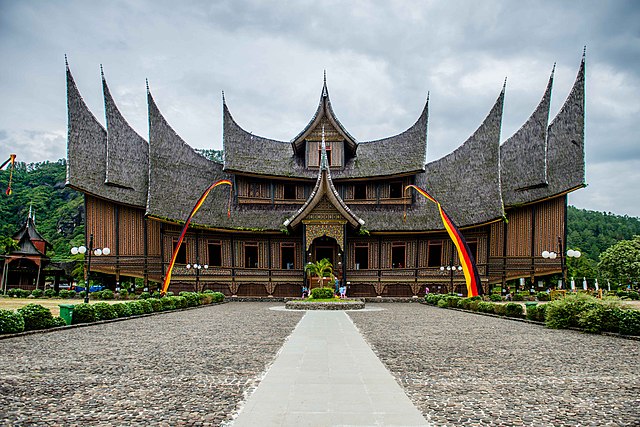
Minangkabau architecture from West Sumatra, Indonesia, inspired by the shape of a buffalo horn
English vernacular building, 16th-century half-timbering and later buildings, in the village of Lavenham, Suffolk
A pair of single 1920s shotgun houses in the Campground Historic District of Mobile, Alabama
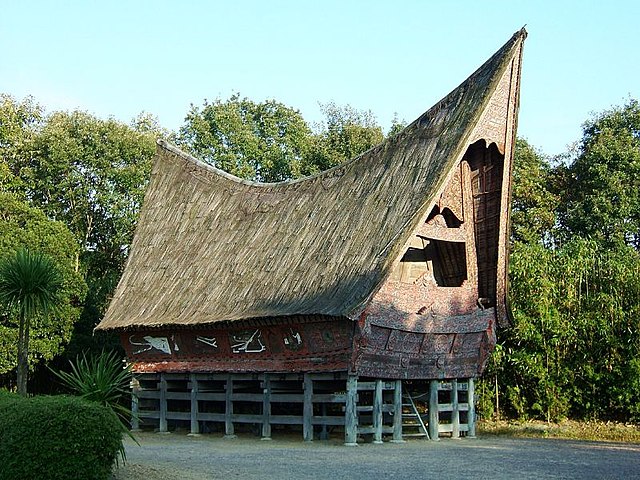
A traditional Batak house, Indonesia, in ancient Austronesian architectural style