Neoconservatism
Videos
Neoconservatism is a political movement that combines features of traditional political and social conservatism with individualism and a qualified endorsement of free markets along with the assertive
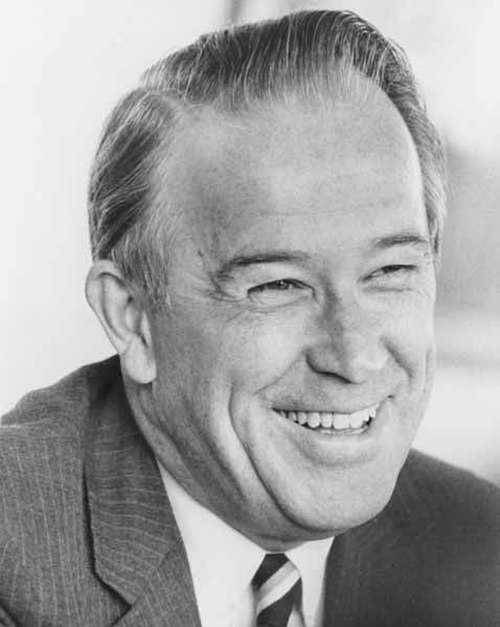
Senator Henry M. Jackson, an inspiration for neoconservative foreign policy during the 1970s

Jeane Kirkpatrick

During November 2010, former U.S. President George W. Bush (here with the former President of Egypt Hosni Mubarak at Camp David in 2002) wrote in his memoir Decision Points that Mubarak endorsed the administration's position that Iraq had WMDs before the war with the country, but kept it private for fear of "inciting the Arab street".

President Bush, VP Dick Cheney, and Secretary of State Condoleezza Rice meet with Secretary of Defense Donald Rumsfeld and his staff at the Pentagon, 14 August 2006.
Paul Wolfowitz
Videos
Paul Dundes Wolfowitz is an American political scientist and diplomat who served as the 10th President of the World Bank, U.S. Deputy Secretary of Defense, U.S. Ambassador to Indonesia, and dean of Sc
Neoconservatism
…Bush, when they played a major role in promoting and planning the 2003 invasion of Iraq. Prominent neoconservatives in the Bush administration included Paul Wolfowitz, Elliott Abrams, Richard Perle, Paul Bremer, and Douglas Feith. Although U.S. Vice President Dick Cheney and Secretary of Defense Donald Rumsfeld had…

Official portrait, 2001

Paul Wolfowitz (center) during his tenure as United States Ambassador to the Republic of Indonesia in 1987.

U.S. Ambassador to Indonesia Paul Wolfowitz, wearing local Indonesian traditional Batik Shirt, during a visit to local School

Gen. Colin Powell, Gen. Norman Schwarzkopf, and Under Sec. Wolfowitz listen as Defense Sec. Dick Cheney briefs reporters during the Gulf War in February 1991