In 1984, Prime Minister David Lange banned nuclear-powered or nuclear-armed ships from using New Zealand ports or entering New Zealand waters. Under the New Zealand Nuclear Free Zone, Disarmament, and
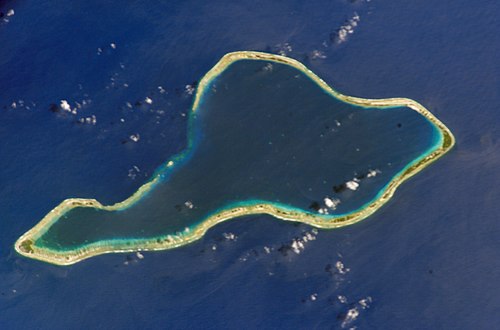
Mururoa

Prime Minister David Lange worked towards forging anti-nuclear sentiment as part of New Zealand's self-identity.

The vessel Rainbow Warrior (pictured in 1981) was bombed and sunk by French intelligence agents.

An anti-nuclear activist hands out peace cranes in Wellington
Nuclear-free zone
Videos
A nuclear-free zone is an area in which nuclear weapons and/or nuclear power plants are banned. The specific ramifications of these depend on the locale in question, but are generally distinct from nu
New Zealand nuclear-free zone
…Zealand waters. Under the New Zealand Nuclear Free Zone, Disarmament, and Arms Control Act 1987, territorial sea, land and airspace of New Zealand became nuclear-free zones. This has since remained a part of New Zealand's foreign policy. The act prohibits "entry into the internal waters of New Zealand 12 nautical miles…

Nuclear-free Kobe Port, seen from Po-ai Shiosai Park in 2011

Existing sign (2024) in Berkeley, California declaring itself a Nuclear Free Zone.

One of a set of two billboards in Davis, California advertising its nuclear free policy