Nguyễn dynasty
Videos
The Nguyễn dynasty was the last Vietnamese dynasty, preceded by the Nguyễn lords and ruling unified Vietnam independently from 1802 until the start of the French protectorate in 1883. Its emperors wer
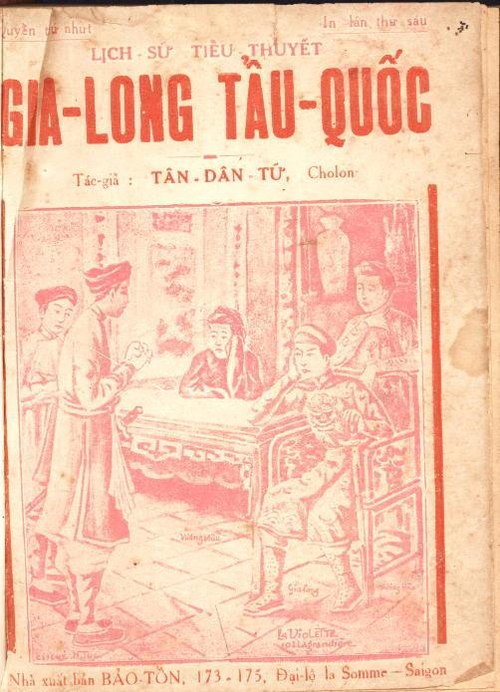
The cover of Tân Dân Tử's (1875–1955) 1930 book, Gia Long tẩu quốc, depicted the exile of Nguyễn Ánh.

Nguyễn Ánh (sitting, 2nd row) in audience with King Rama I in Phra Thinang Amarin Winitchai throne hall, Bangkok, 1782.

Signatures on the 1787 Treaty of Versailles

Pigneau de Behaine, the French priest who recruited armies for Nguyễn Ánh during Ánh's war against the Tây Sơn
Gia Long
Videos
Gia Long, born Nguyễn Phúc Ánh or Nguyễn Ánh, was the founding emperor of the Nguyễn dynasty, the last dynasty of Vietnam, which would rule the unified territories that constitute modern-day Vietnam u
Nguyễn dynasty
…by the 16th century before defeating the Tây Sơn dynasty and establishing their own imperial rule in the 19th century. The dynastic rule began with Gia Long ascending the throne in 1802, after ending the previous Tây Sơn dynasty. The Nguyễn dynasty was gradually absorbed by France over the course of several…

Emperor Gia Long

Portrait of Prince Cảnh, the eldest son of Gia Long, 1787