Oder–Neisse line
Videos
Oder–Neisse line is an unofficial term for the modern border between Germany and Poland. The line generally follows the Oder and Lusatian Neisse rivers, meeting the Baltic Sea in the north. A small po

The Oder and Neisse rivers

The Oder–Neisse line at Usedom (2008)

Marking the new Polish-German Border in 1945

Polish authorities issued an order to the population of Bad Salzbrunn (Szczawno-Zdrój) to force them to immediately leave Poland on 14 July 1945, issued at 6 a.m. to be executed until 10 am
East Germany
Videos
East Germany, officially the German Democratic Republic, was a country in Central Europe from its formation on 7 October 1949 until its reunification with West Germany on 3 October 1990. Until 1989, i
Oder–Neisse line
…estimated at 12 million in autumn 1944 – had fled in the wake of the Soviet Red Army's advance. The Oder–Neisse line marked the border between East Germany and Poland from 1950 to 1990. The two Communist governments agreed to the border in 1950, while West Germany, after a period of refusal, adhered to the…

GDR leaders: President Wilhelm Pieck and Prime Minister Otto Grotewohl, 1949
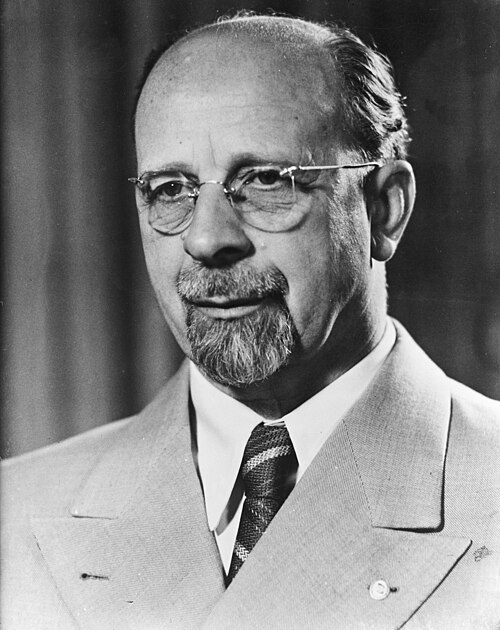
SED First Secretary, Walter Ulbricht, 1960
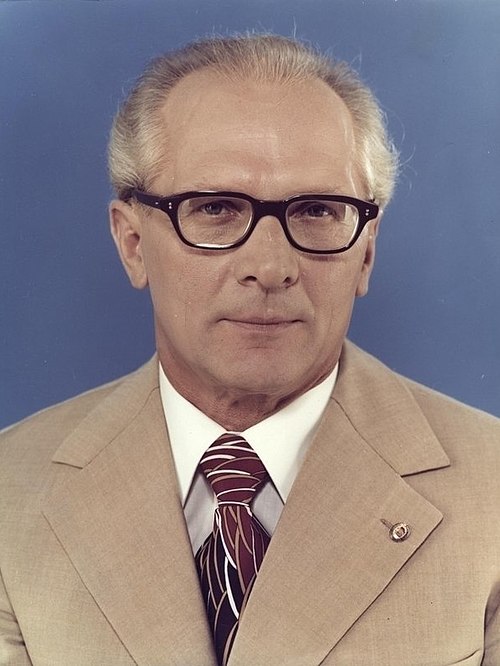
Erich Honecker, head of state (1971–1989)

Chancellor of the Federal Republic of Germany (West Germany) Helmut Schmidt, Chairman of the State Council of the German Democratic Republic (East Germany) Erich Honecker, U.S. president Gerald Ford and Austrian chancellor Bruno Kreisky signing the Helsinki Act