Old World wine
Videos
Old World wine refers primarily to wine made in Europe but can also include other regions of the Mediterranean basin with long histories of winemaking such as North Africa and the Near East. The phras

Old World wines refers to wines that come from regions with a long documented history of wine production
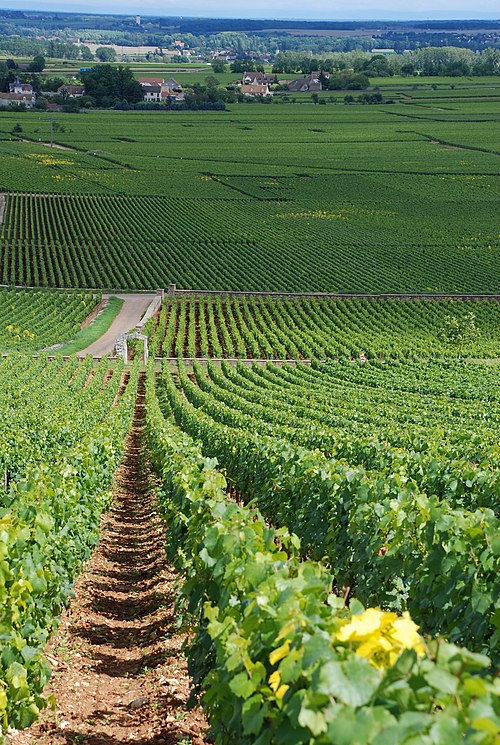
In Old World winemaking, the terroir of a region is of paramount importance with wines from a region, such as Montrachet (pictured), being labeled with the region's name rather than the grape variety (such as Chardonnay).

In Old World wine making, the role of the winemaker is minimized compared to New World wine making.
French wine
Videos
French wine is produced throughout all of France in quantities between 50 and 60 million hectolitres per year, or 7–8 billion bottles. France is one of the largest wine producers in the world. French
Old World wine
…Brazil, Argentina, Chile and South Africa. The term "Old World wine" does not refer to a homogeneous style with "Old World wine regions" like Austria, France, Georgia, Hungary, Germany, Israel, Italy, Portugal, Romania, Spain and Switzerland each making vastly different styles of wine even within their own…

French wines are usually made to accompany food.
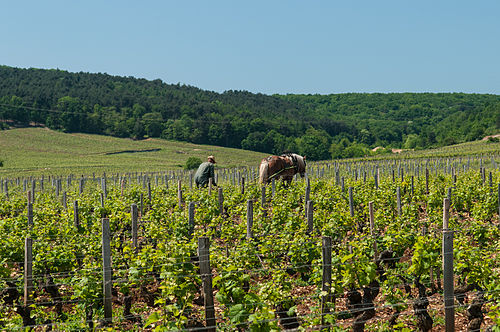
Vineyards in Vosne-Romanée in Burgundy, a village that is the source of some of France's most expensive wines

Château Pichon Longueville Baron in Pauillac corresponds well to the traditional image of a prestigious French château, but in reality, French wineries come in all sizes and shapes.

Vineyard in Côte de Beaune, Burgundy