Operation Marathon (World War II)
Videos
Photos
Operation Marathon in World War II helped allied airmen who had been shot down or crash-landed in Nazi-occupied Europe evade capture by the Germans. The British intelligence organization, MI9, created the operation to gather downed airmen into isolated forest camps where they would await their rescue by allied military forces advancing after the Normandy Invasion of June 6, 1944. The Comet Line, a Belgian/French escape line, operated the forest camps with financial and logistical help from MI9.

Jean de Blommaert, head of Marathon in France.
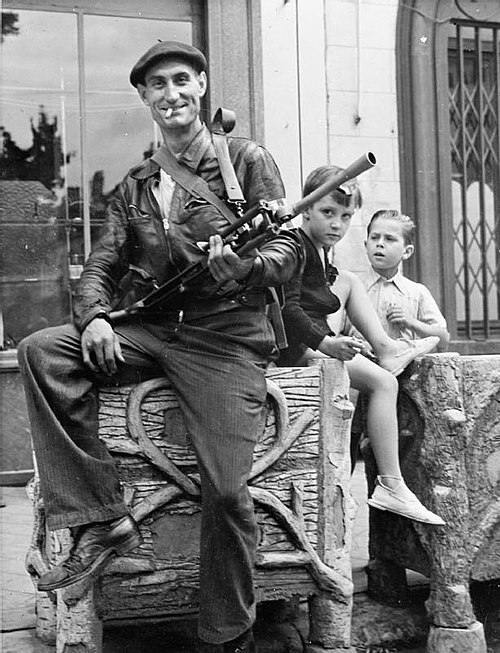
A French Resistance fighter at Chateaudun near the Freteval Forest, 1944.

Hotel Metropole, Brussels.

Albert Ancia, head of Marathon in Belgium.
MI9
Videos
Photos
MI9, the British Directorate of Military Intelligence Section 9, was a secret department of the War Office between 1939 and 1945. During World War II it had two principal tasks: assisting in the escape of Allied prisoners of war (POWs) held by the Axis countries, especially Nazi Germany; and helping Allied military personnel, especially downed airmen, evade capture after they were shot down or trapped behind enemy lines in Axis-occupied countries. During World War II, about 35,000 Allied military personnel, many helped by MI9, escaped POW camps or evaded capture and made their way to Allied or neutral countries after being trapped behind enemy lines.

The routes used by the escape lines to smuggle airmen out of occupied western Europe.