Optimal experimental design
In the design of experiments, optimal experimental designs are a class of experimental designs that are optimal with respect to some statistical criterion. The creation of this field of statistics has been credited to Danish statistician Kirstine Smith.
Gustav Elfving developed the optimal design of experiments, and so minimized surveyors' need for theodolite measurements (pictured), while trapped in his tent in storm-ridden Greenland.
The design of experiments, also known as experiment design or experimental design, is the design of any task that aims to describe and explain the variation of information under conditions that are hypothesized to reflect the variation. The term is generally associated with experiments in which the design introduces conditions that directly affect the variation, but may also refer to the design of quasi-experiments, in which natural conditions that influence the variation are selected for observation.
Design of experiments with full factorial design (left), response surface with second-degree polynomial (right)
Blocking (right)
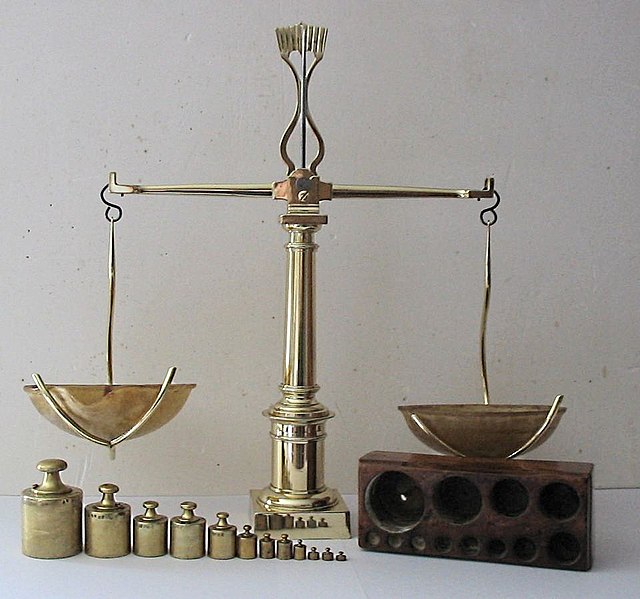
Image: Balance à tabac 1850