Oroonoko
Videos
Oroonoko: or, the Royal Slave is a work of prose fiction by Aphra Behn, first published in 1688 by William Canning and reprinted later that year in the compilation Three Histories by Mrs. A. Behn. The
First edition cover

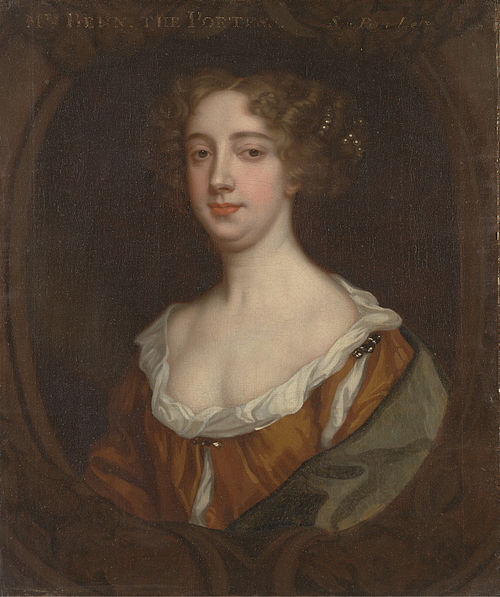
Portrait of Aphra Behn, aged approximately 30, by Peter Lely. From the Yale Center for British Art

Anne Bracegirdle appearing in John Dryden's The Indian Queen in a headdress of feathers purportedly given by Aphra Behn to Thomas Killigrew. Scholars speculate that Behn had this headdress from her time in Surinam.

An engraving by William Blake illustrating "A negro hung by his ribs from a gallows," opposite page 116 in Captain John Stedman's Narrative of a Five Years Expedition Against the Revolted Negroes of Surinam, 1792. The hanging took place in the then-Dutch ruled Surinam, an example of the barbarity of punishments of slaves, and the reputation of Surinam.
Coromantee
Videos
Coromantee, Coromantin, Coromanti, Kormantine, Kromantyn or Kromanti is an English-language term for enslaved people from the Akan ethnic group, taken from the Gold Coast region in modern-day Ghana.
Oroonoko
…in a narrative frame. The narrator opens with an account of the colony of Surinam and its inhabitants. Within this is a historical tale concerning the Coramantien grandson of a Ghanaian king, Prince Oroonoko. At a very young age Prince Oroonoko was trained for battle, becoming an expert captain by the age of…

Leonard Parkinson, Maroon leader, Jamaica, 1796. Engraving by Abraham Raimbach.
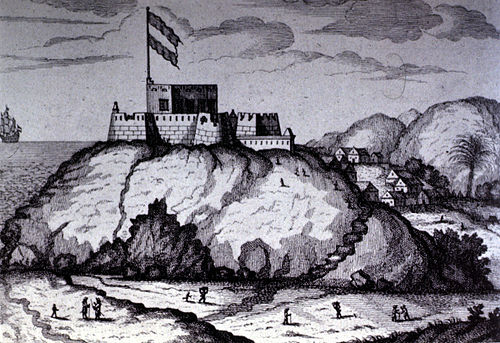
Historic representation of Fort Amsterdam (Fort Kormantin) in Ghana

Slaves force the retreat of European soldiers led by Lt. Brady in Guyana.