Orphan
Videos
An orphan is a child whose parents have died, are unknown, or have permanently abandoned them. The Shorter Oxford English Dictionary, 3rd edition, defines the term: "One deprived by death of father or
Orphans by Thomas Kennington, oil on canvas, 1885


Orphan on mother's grave by Uroš Predić in 1888

An 1835 portrait by Félix Taunay, depicting the orphaned Emperor Pedro II of Brazil (aged 9) and his sisters, Princesses Francisca and Januária, in mourning attire following the death of their father, Pedro I, in late 1834. Having lost their mother, Empress Maria Leopoldina, in 1826, the young siblings were raised under the care of appointed tutors and guardians.

Mime offers food to the young Siegfried, an orphan he is raising; Illustration by Arthur Rackham to Richard Wagner's Siegfried
Marilyn Monroe
Videos
Marilyn Monroe was an American actress and model. Known for playing comic "Blonde bombshell" characters, she became one of the most popular sex symbols of the 1950s and early 1960s, as well as an embl
Orphan
…Darger portrayed the horrible conditions of his orphanage in his artwork. Other notable orphans include entertainment greats such as Louis Armstrong, Marilyn Monroe, Babe Ruth, Ray Charles and Frances McDormand. Orphaned characters are prevalent as literary protagonists, especially in children's and fantasy literature…
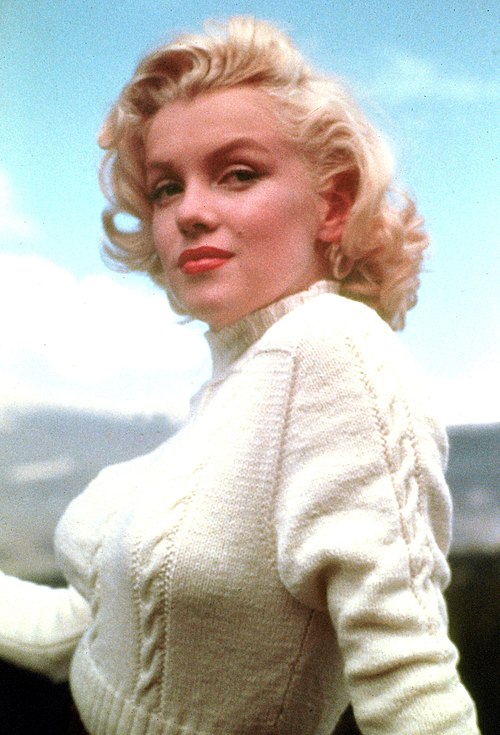
Monroe in 1953

Monroe as an infant, c. 1927

Monroe with her first husband, James Dougherty, c. 1943–44. They married when she was sixteen and divorced in 1946, when she was twenty.

A photo of Monroe taken by David Conover in 1944 at the Radioplane Company