Ottoman music
Videos
Ottoman music or Turkish classical music is the tradition of classical music originating in the Ottoman Empire. Developed in the palace, major Ottoman cities, and Sufi lodges, it traditionally feature

Miniature of dancers (köçeks) and musicians performing at a circumcision ceremony. Dated 1530 from the Süleymanname

A transcription and analysis of Ottoman music using Byzantine notation.
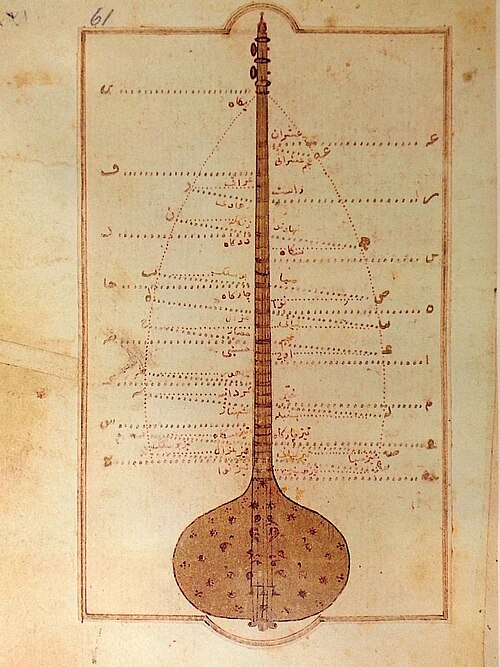
Description and illustration of a tanbûr from Kitâb-ı ‘İlmü’l Mûsîkî ala Vechi’l-Hurûfat, written by Dimitrie Cantemir.

A peşrev (prelude) transcribed into staff notation by Polish musician Wojciech Bobowski. The use of abjad notation was more common in the Ottoman Empire until the 20th century.
Turkish folk music
Videos
Turkish folk music is the traditional music of Turkish people living in Turkey influenced by the cultures of Anatolia and former territories in Europe and Asia. Its unique structure includes regional
Ottoman music
…with a growing amount of disdain. Ziya Gökalp, a prominent nationalist thinker, thought of "Eastern music" as inferior to both Western classical and Turkish folk music, advocating the replacement of Ottoman tradition with a synthesis of these two traditions. The reason of this 'inferiority', according to John O'Connell…

Zurna