Oud
Videos
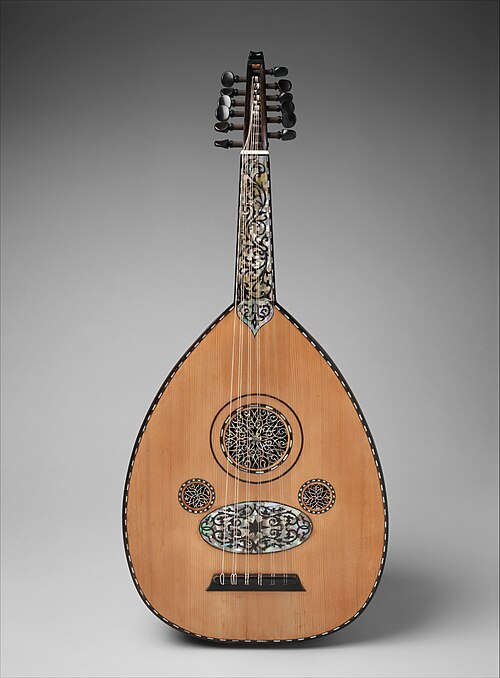
The oud is a Middle Eastern short-neck lute-type, pear-shaped, fretless stringed instrument, usually with 11 strings grouped in six courses, but some models have five or seven courses, with 10 or 13 s
Oud crafted by Emmanuel Venious in 1916

Egyptian lute players with long-necked lutes. Fresco from the tomb of Nebamun, a nobleman in the 18th Dynasty of Ancient Egypt, c. 1350 BC
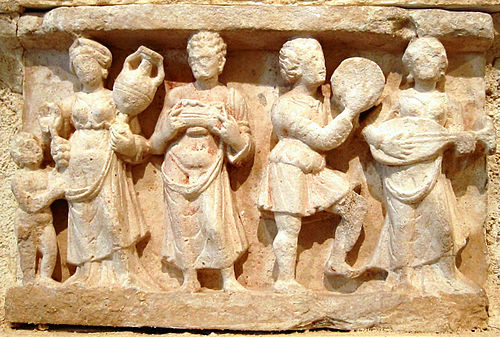
Hellenistic banquet scene from the 1st century AD, Hadda, Gandhara. Short-necked, 2-string lute held by player, far right
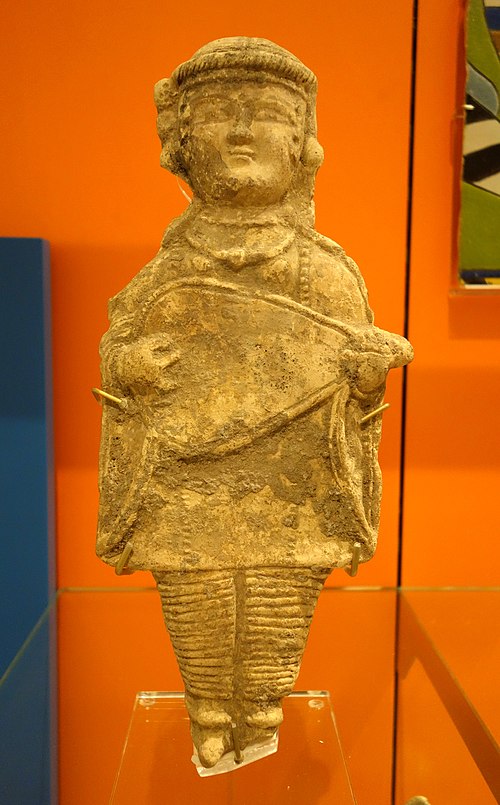
Iran, 11th or 12th century A.D. Earthenware statue of a musician playing a short-necked, lute-style instrument
String instrument
Videos
In musical instrument classification, string instruments, or chordophones, are musical instruments that produce sound from vibrating strings when a performer strums, plucks, strikes or sounds the stri
Oud
…The oud ( OOD; Arabic: عُود, romanized: ʿūd, pronounced ) is a Middle Eastern short-neck lute-type, pear-shaped, fretless stringed instrument (a chordophone in the Hornbostel–Sachs classification of instruments), usually with 11 strings grouped in six courses, but some models have five or…

Various string instruments; mostly lute family instruments

Bow Harp or Harp Lute, West Africa
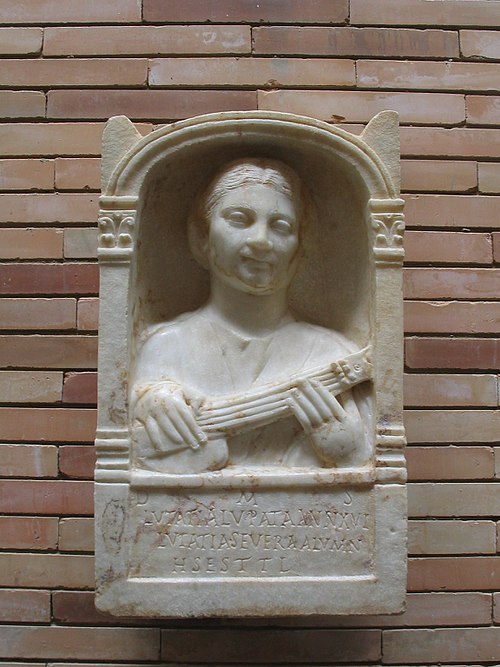
Spanish stele of a boy with a pandura.