Overexploitation
Videos
Overexploitation, also called overharvesting or ecological overshoot, refers to harvesting a renewable resource to the point of diminishing returns. Continued overexploitation can lead to the destruct

Atlantic cod stocks were severely overexploited in the 1970s and 1980s, leading to their abrupt collapse in 1992.
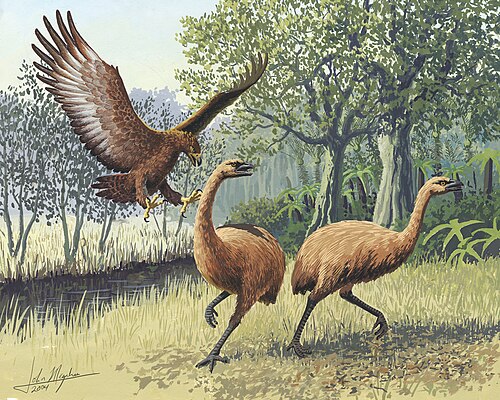
When the giant flightless birds called moa were overexploited to the point of extinction, the giant Haast's eagle that preyed on them also became extinct.

Cows on Selsley Common. The tragedy of the commons is a useful parable for understanding how overexploitation can occur.
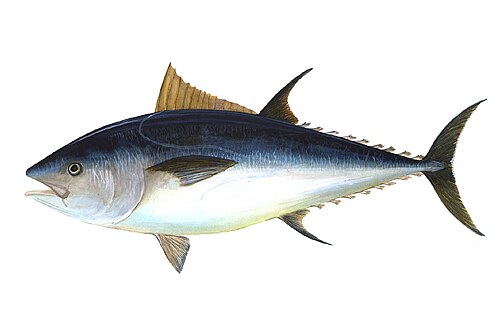
The Atlantic bluefin tuna is currently overexploited. Scientists say 7,500 tons annually is the sustainable limit, yet the fishing industry continue to harvest 60,000 tons.
Haast's eagle
Videos
Haast's eagle, sometimes known as Fuller's eagle, is an extinct species of eagle that lived in the South Island of New Zealand, commonly accepted to be the pouākai of Māori mythology. It is the larges
Overexploitation
…can overexploit native flora and fauna. History When the giant flightless birds called moa were overexploited to the point of extinction, the giant Haast's eagle that preyed on them also became extinct. Even though people are only starting to care about the environment in modern times, worries about overexploitation…

Canterbury Museum, Christchurch Joy of Museums Haast's Eagle

Skull photos and diagram

Model at Te Papa of Haast's eagle attacking a moa