Phenomenon
Videos
A phenomenon, sometimes spelled phaenomenon, is an observable event. The term came into its modern philosophical usage through Immanuel Kant, who contrasted it with the noumenon, which cannot be direc
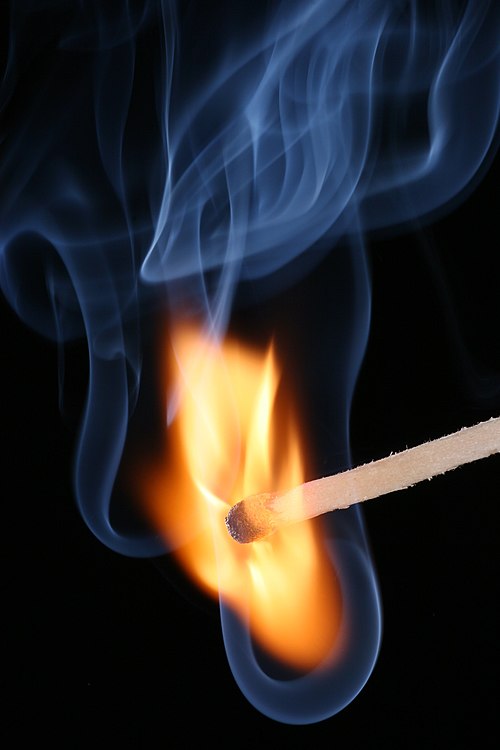
The combustion of a match is an observable occurrence, or event, and therefore a phenomenon.

A comparison between a candle flame on Earth (left) and in a microgravity environment, such as that found on the International Space Station (right). See also: Electrical phenomena and Optical phenomena The same burning phenomenon is observed, but different flame shape and colouring phenomena are also observed.

Cloud chamber phenomena. Scientists use phenomena to refine some hypotheses and sometimes to disprove a theory. See also animated version.
Gottfried Wilhelm Leibniz
Videos
Gottfried Wilhelm Leibniz was a German polymath active as a mathematician, philosopher, scientist, and diplomat who is credited, alongside Isaac Newton, with the creation of calculus in addition to ma
Phenomenon
…modern philosophical usage through Immanuel Kant, who contrasted it with the noumenon, which cannot be directly observed. Kant was heavily influenced by Gottfried Wilhelm Leibniz in this part of his philosophy, in which phenomenon and noumenon serve as interrelated technical terms. Far predating this, the ancient Greek Pyrrhonist…
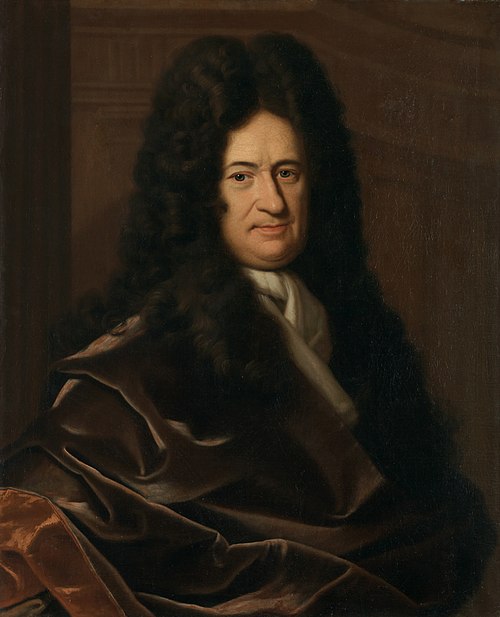
Leibniz c. 1695

Leibniz monument at Leipzig University

Gottfried Wilhelm Leibniz

Stepped reckoner