Philosophy
Videos
Philosophy is a systematic study of general and fundamental questions concerning topics like existence, knowledge, mind, reason, language, and value. It is a rational and critical inquiry that reflect
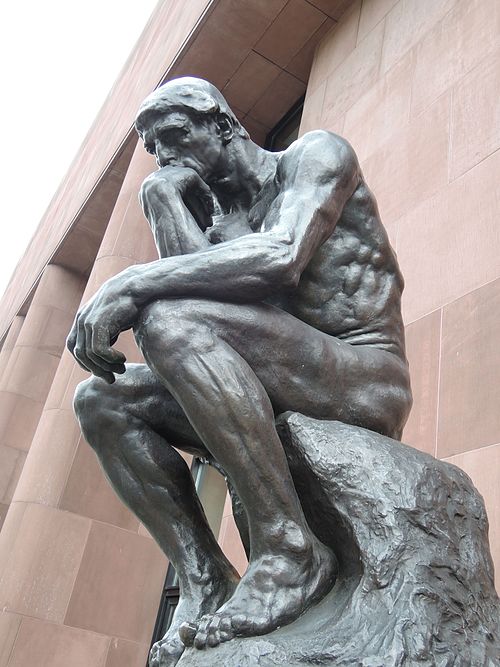
The statue The Thinker by Auguste Rodin is a symbol of philosophical thought.

Aristotle was a major figure in ancient philosophy and developed a comprehensive system of thought including metaphysics, logic, ethics, politics, and natural science.
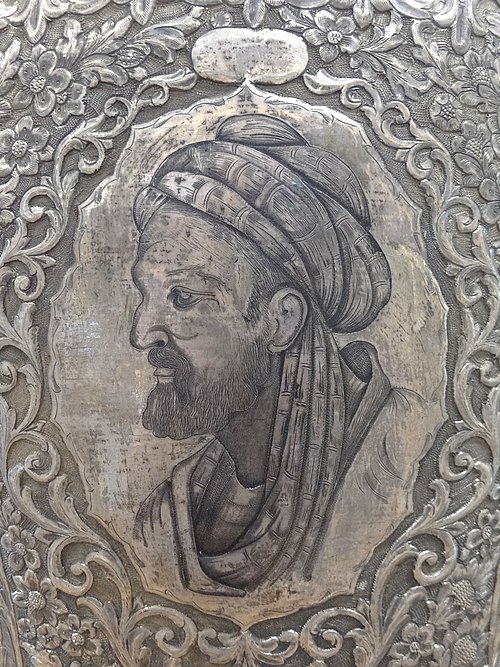
Portrait of Avicenna, one of the most influential philosophers of the Islamic Golden Age

The teachings of Confucius on ethics and society shaped subsequent Chinese philosophy.
Ancient Greek
Videos
Ancient Greek includes the forms of the Greek language used in ancient Greece and the ancient world from around 1500 BC to 300 BC. It is often roughly divided into the following periods: Mycenaean Gre
Philosophy
…Philosophy (from Ancient Greek philosophía, lit. 'love of wisdom') is a systematic study of general and fundamental questions concerning topics like existence, knowledge, mind, reason…

An inscription about the construction of the statue of Athena Parthenos in the Parthenon, 440/439 BC

Ostracon bearing the name of Cimon, Stoa of Attalos