Phoebe (mythology)
Videos
In Greek mythology, Phoebe is the name or epithet of the following characters:
Phoebe (right) witnesses her sister Helen (left) being abducted by Theseus and Pirithous (middle), Attic red-figure stamnos c. 430-420 BC. National Archaeological Museum, Greece.

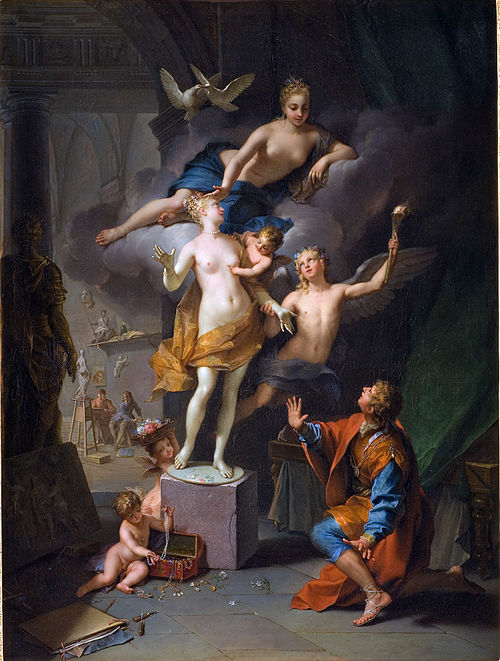
Pygmalion
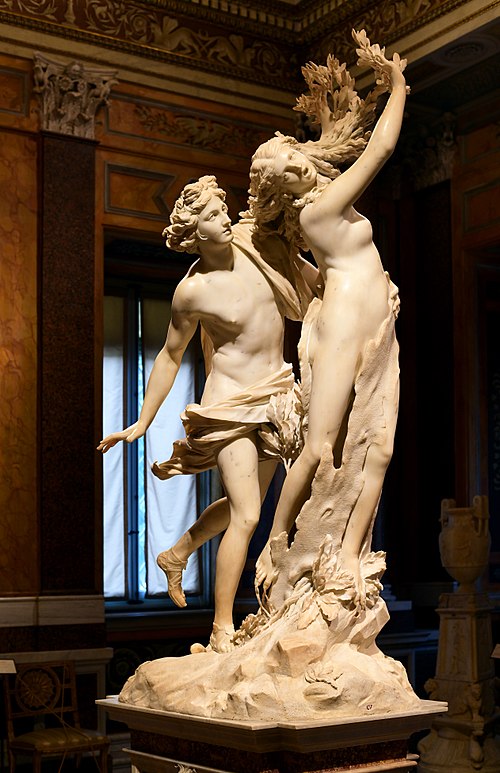
Apollo and Daphne

Io changed into a cow, Mercury cuts of Argus's head
Helen of Troy
Videos
Helen, commonly known as Helen of Troy and sometimes as Helen of Sparta, is a figure in Greek mythology said to have been the most beautiful woman in the world. She was believed to have been the daugh
Phoebe (mythology)
…Spartan princess who was the daughter of King Tyndareus and Leda, daughter of King Thestius of Pleuron. She was the (half-)sister of Castor and Pollux, Helen, Clytemnestra, Timandra and Philonoe. Phoebe, one of the Amazons who fought against Heracles…

Helen of Sparta boards a ship for Troy, fresco from the House of the Tragic Poet in Pompeii

The Love of Helen and Paris by Jacques-Louis David (oil on canvas, 1788, Louvre, Paris)

The birth of Helen on an Athenian red-figure cup by the Xenotimos Painter, c. 430–420 BC. The egg, watched over by the eagle of Zeus, rests on an altar flanked by Tyndareus and Leda; behind Tyndareus stands Clytemnestra.

Leda and the Swan by Cesare da Sesto (c. 1506–1510, Wilton). The artist has been intrigued by the idea of Helen's unconventional birth; she and Clytemnestra are shown emerging from one egg; Castor and Pollux from another.