Planorbarius corneus
Videos
Planorbarius corneus, common name the great ramshorn, is a relatively large species of air-breathing freshwater snail, an aquatic pulmonate gastropod mollusk in the family Planorbidae, the ram's horn snails, or planorbids, which all have sinistral or left-coiling shells.

Image: Posthornschnecke 1

Image: Planorbarius corneus 001

Together with a Lymnaea stagnalis snail.

Eggs, not more than one day old, together with several feeding adults. The clutch is 12 millimeters long. Also, a snail's mouth with its radula can be seen clearly.
Radula
Videos
The radula is an anatomical structure used by mollusks for feeding, sometimes compared to a tongue. It is a minutely toothed, chitinous ribbon, which is typically used for scraping or cutting food before the food enters the esophagus. The radula is unique to the mollusks, and is found in every class of mollusk except the bivalves, which instead use cilia, waving filaments that bring minute organisms to the mouth.

Radula and individual tooth of the predatory ghost slug, Selenochlamys ysbryda

Microscopic detail of a docoglossan radula showing the denticles or teeth
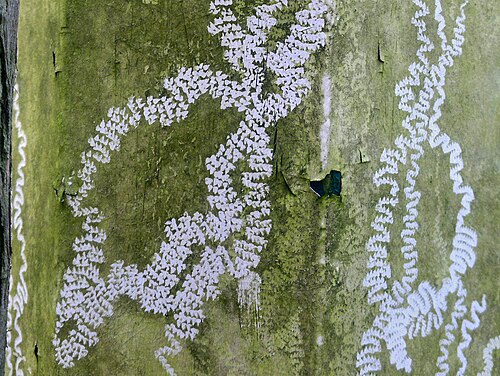
Tracks made by terrestrial gastropods with their radulas, scraping green algae from a surface inside a greenhouse

Upper right: Mouth of a Planorbarius corneus freshwater snail with the radula visible.