The Polish–Lithuanian Commonwealth, also referred to as Poland–Lithuania or the First Polish Republic, was a federative real union between the Kingdom of Poland and the Grand Duchy of Lithuania, exist

The Union of Lublin joined the Kingdom of Poland and the Grand Duchy of Lithuania in 1569.
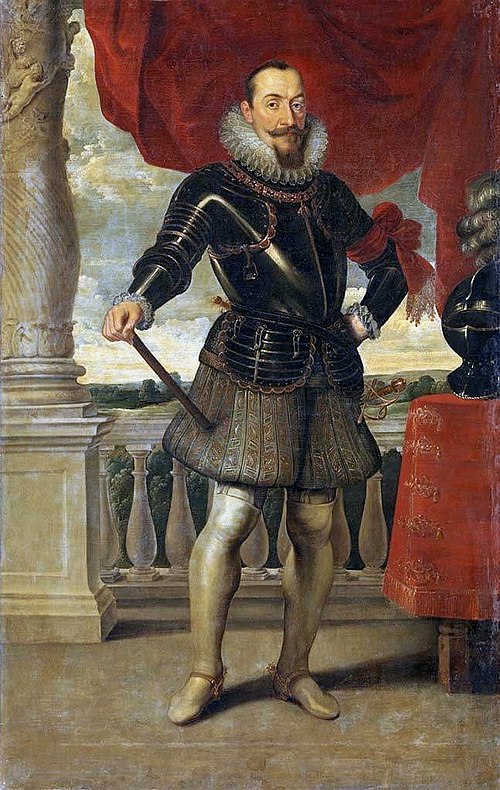
Sigismund III Vasa, who reigned between 1587 and 1632, presided over an era of prosperity and territorial expansion of the Commonwealth.

Sejm (parliament) of the Polish–Lithuanian Commonwealth in the early 17th century
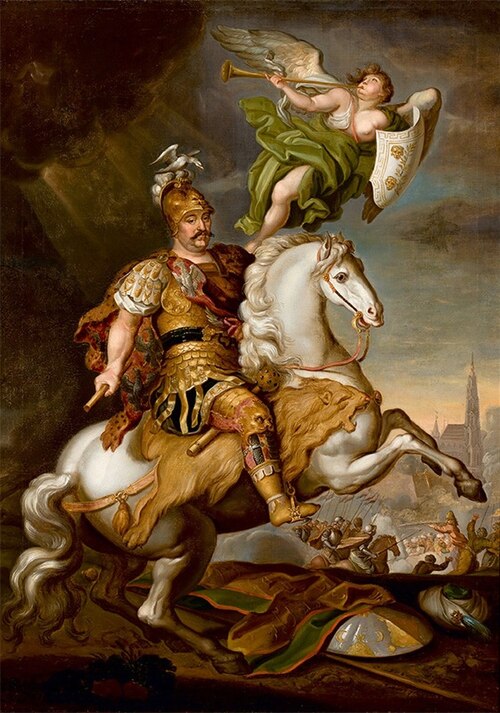
John III Sobieski, victor over the Ottoman Turks at the Battle of Vienna in 1683.
Stanisław August Poniatowski
Videos
Stanisław II August, known also by his regnal Latin name Stanislaus II Augustus, and as Stanisław August Poniatowski, was King of Poland and Grand Duke of Lithuania from 1764 to 1795, and the last mon
Polish–Lithuanian Commonwealth
…In the preamble of the Reciprocal Guarantee of Two Nations (1791) the dualistic nature of the state was confirmed and separate monarchial titles of Stanisław August Poniatowski were included: King of Poland (Polish: Krol Polski) and Grand Duke of Lithuania (Polish: Wielki xiązę litewski), also the land envoys of the Polish…

Aged 14

Sir Charles Hanbury Williams, Poniatowski's mentor, by John Giles Eccardt

Grand Duchess Catherine Alexeyevna, 1745, by Louis Caravaque

Stanisław August's 1764 election as king, depicted by Bernardo Bellotto