Polish–Lithuanian identity
Videos
The Polish–Lithuanian identity describes individuals and groups with histories in the Polish–Lithuanian Commonwealth or with close connections to its culture. This federation, formally established by
Painting commemorating Polish–Lithuanian union; c. 1861. The motto reads "eternal union", in Polish only.

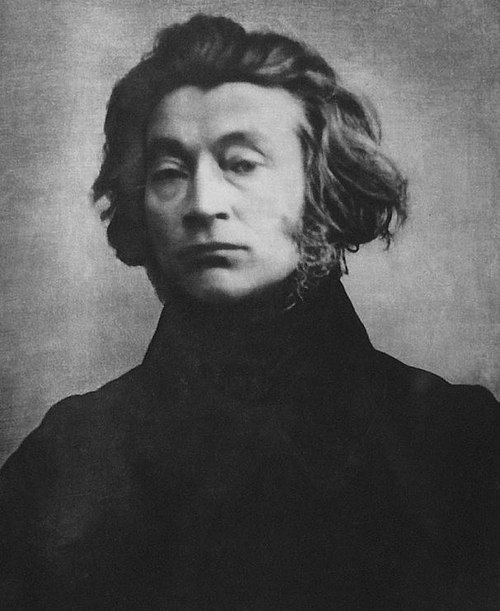
Pan Tadeusz, an enduringly popular 19th-century Polish-language poem by Adam Mickiewicz, opens with the line "Lithuania, my fatherland! You are like health."

Józef Piłsudski, the most important Polish political leader of the interwar period, often pointed to his Lithuanian ancestry, and hoped to recreate the old Commonwealth

Mykolas Römeris, was a member of Piłsudski legions, but later chose to be a citizen of Lithuania
Józef Piłsudski
Videos
Józef Klemens Piłsudski was a Polish statesman who served as the Chief of State and first Marshal of Poland. In the aftermath of World War I, he became an increasingly dominant figure in Polish politi
Polish–Lithuanian identity
…to be called 'Poles'. <...> As one Lithuanian 'Pole', Michal Juckniewicz, angrily told Lithuanian nationalists: "Jagiełło, Chodkiewicz, Mickiewicz, Piłsudski and I – these are Lithuanians [using the word Litwini, the Polish word for Lithuanians] – and you; you are Lietuvisy [using a polonised form of the…
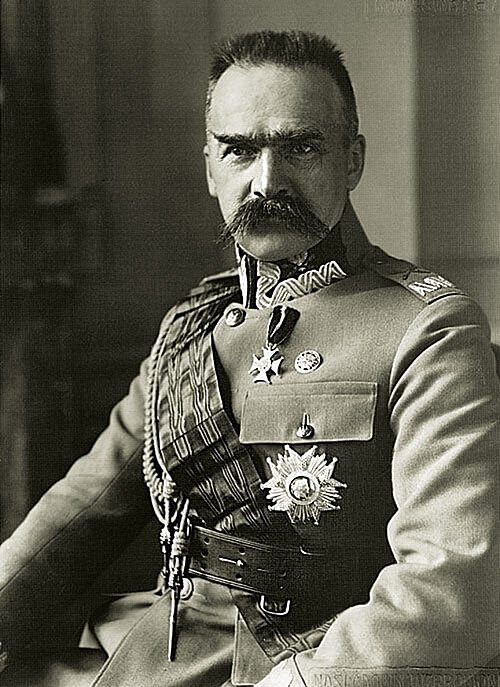
Piłsudski, c. 1920s

Piłsudski, 1899

Piłsudski and his staff in Kielce, 12 August 1914

Portrait of Brigadier General Józef Piłsudski, by Jacek Malczewski, 1916