Poor relief in England
Videos
In English and British history, poor relief refers to government and ecclesiastical action to relieve poverty, particularly before the Liberal welfare reforms beginning in 1906. Beginning in 1551, the

Woodcut-16th century: gentleman giving alms to beggar

Henry VII of England

Henry VIII of England
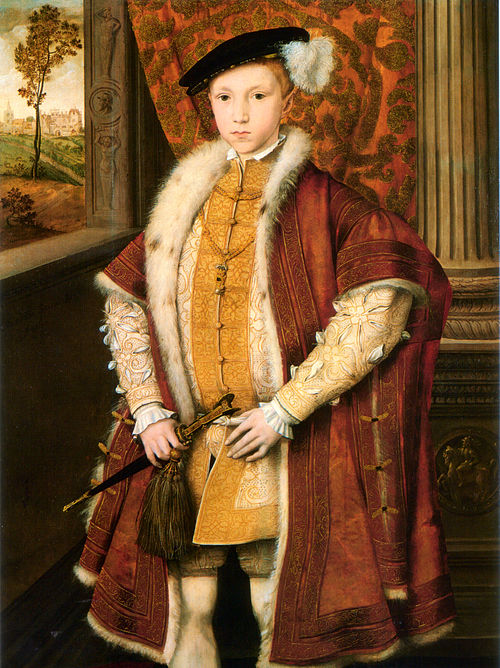
Edward VI of England
Workhouse
Videos
In Britain and Ireland, a workhouse was a total institution where those unable to support themselves financially were offered accommodation and employment. In Scotland, they were usually known as poor
Poor relief in England
…about employing them to keep wages down. This meant that there were not many jobs for adult labourers. For those who could not find work there was the workhouse as a means of sustenance. The 1782 poor relief law proposed by Thomas Gilbert aimed to organise poor relief on a county basis, counties being organised…

Former workhouse in Nantwich in Cheshire, dating from 1780

The 'Red House' at Framlingham Castle in Suffolk was founded as a workhouse in 1664.

"The workroom at St James's workhouse", from The Microcosm of London (1808)

Former Cleveland Street workhouse, London W1, photographed in 1930. It later became part of the Middlesex Hospital.