Poorhouse
Videos
Poorhouses were public institutions used from the seventeenth through the mid twentieth centuries to provide relief for people unable to support themselves, including the elderly, the sick, people wit
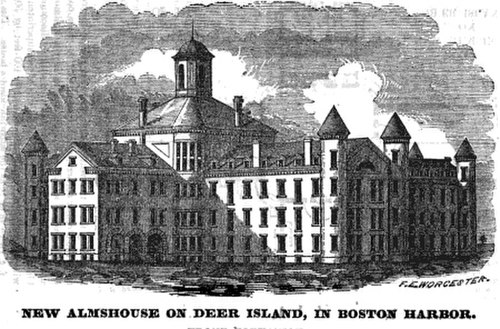
Almshouse, Boston, 1851

Intemperance and poverty propaganda, 1847

Dexter Asylum, Rhode Island, 1830

Poorhouse residents, St Louis, 1904
English Poor Laws
Videos
The English Poor Laws were a system of poor relief in England and Wales that developed out of the codification of late-medieval and Tudor-era laws in 1587–1598. The system continued until the modern w
Poorhouse
…or federal government. Similar laws existed across the nation at the time. Poorhouses developed from earlier systems of poor relief influenced by the English Poor Laws and by social attitudes that distinguished between the "deserving" and "undeserving" poor. Known by various names—including almshouses, poor farms…

Although many deterrent workhouses developed in the period after the New Poor Law, some had already been built under the existing system. This workhouse in Nantwich, Cheshire, dates from 1780.

The Poor Laws in the aftermath of the Black Death (pictured), when labour was in short supply, were concerned with making the able-bodied work. (Also see: Sturdy beggar)

The Poor Relief Act 1601 is sometimes referred to as the "43rd Elizabeth" as it was passed in the 43rd year of the reign of Elizabeth I (pictured).

Advertisement for builders to build a new Workhouse in north Wales, 1829