Port-Royal (Acadia)
Videos
Port Royal was a historic settlement based around the upper Annapolis Basin in Nova Scotia, Canada, and the predecessor of the modern town of Annapolis Royal.

Fort at Port-Royal (1702)

William Alexander, 1st Earl of Stirling

Siege of St. John (1645) – d'Aulnay defeats La Tour in Acadia
Annapolis Royal
Videos
Annapolis Royal is a town in and the county seat of Annapolis County, Nova Scotia, Canada. Originally established by the French as Port Royal in 1605, the community is historically significant as one
Port-Royal (Acadia)
…Royal (1605–1713) was a historic settlement based around the upper Annapolis Basin in Nova Scotia, Canada, and the predecessor of the modern town of Annapolis Royal. Port Royal was the first successful attempt by Europeans to establish a permanent settlement in what is today known as Canada and was a critical step…

Lighthouse DSC02664 Annapolis Royal Lighthouse

Cannon at Fort Anne, Annapolis Royal, Nova Scotia

St. Luke's Anglican Church, Annapolis Royal, Nova Scotia
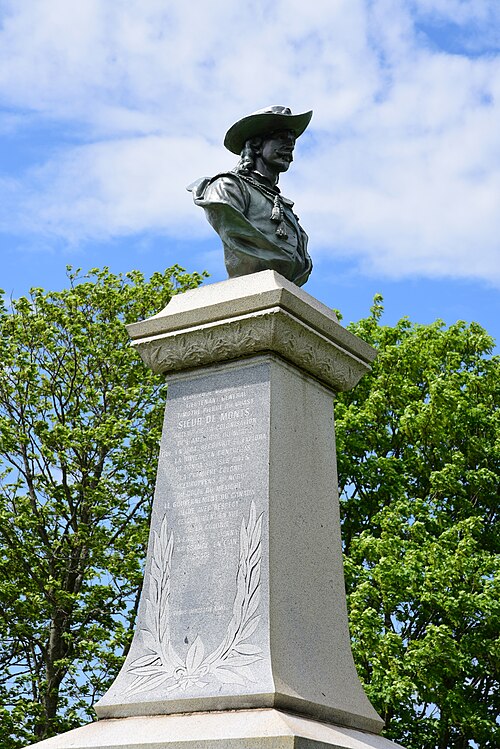
Pierre Dugua, Sieur de Mons Annapolis Royal NS