Portuguese language
Videos
Portuguese is a Western Romance language of the Indo-European language family, written in the Latin script. With approximately 267 million native speakers, it is the fifth-most spoken native language

The Will of Afonso II preserved at the Torre do Tombo National Archives
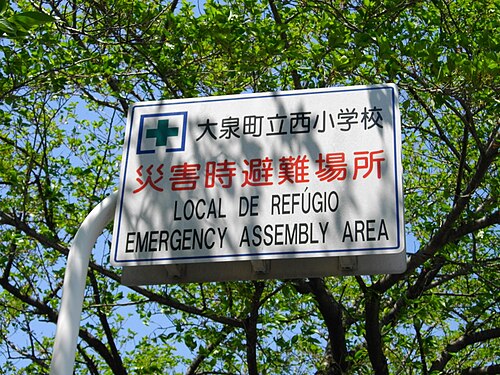
Sign in Japanese, Portuguese, and English in Oizumi, Japan, which has a large Lusophone community due to the return immigration of Japanese Brazilians

Multilingual signage in Chinese, Portuguese and English at the Hong Kong–Zhuhai–Macau Bridge port building in Macau. Portuguese is a co-official language in Macau.

An Old Portuguese memento mori memorial sign in Malacca City
Portugal
Videos
Portugal, officially the Portuguese Republic, is a country in Southwestern Europe. Mainland Portugal is located on the southwestern portion of the Iberian Peninsula, and bordered by Spain to the north
Portuguese language
…spoken native language in the world, and the most widely spoken language in the Southern Hemisphere. It is the official language of eight countries — Portugal, Brazil, Angola, Mozambique, Cape Verde, Guinea-Bissau, São Tomé and Príncipe, and Timor-Leste — and is co-official with other languages in Macau and…

The Roman Temple of Évora, built in the 1st century

Vímara Peres

The Constituent Cortes of 1820 approved the first constitution of Portugal.

José Relvas proclaiming the republic on 5 October 1910, at Lisbon City Hall