Pre-Code sex films
Videos
Pre-Code sex films refers to movies made in the Pre-Code Hollywood era, roughly encompassed between either the introduction of sound in the late 1920s or February 1930 and December 1934. This period w
This 1932 promotional photo of Joan Blondell was later banned under the then unenforceable Motion Picture Production Code.


Publicity photos like this (Ina Claire in a publicity still for the 1932 film The Greeks Had a Word for Them), with a woman lying down, posing rapturously, provoked outrage among civic leaders.

Barbara Stanwyck in Baby Face (1933). Movies in the pre-code era were frequently portrayed as lurid during their marketing campaigns. In Baby Face Stanwyck sleeps her way up the corporate ladder of a New York bank.

Jean Harlow was described in the Encyclopedia of Hollywood as "the reigning sex symbol of the 1930s." Harlow was propelled to stardom in pre-code films such as Platinum Blonde, Red Dust and Red-Headed Woman.
Hays Code
Videos
The Motion Picture Production Code was a set of industry guidelines for the self-censorship of content that was applied to most motion pictures released by major studios in the United States from 1934
Pre-Code sex films
…marked by the Great Depression and major debates on morality, often containing sexual references and images that were contrary to the yet to be enforced Hays Code. Pre-Code sex films explored women's issues and challenged the concept of marriage, and aggressive sexuality was the norm. The sexual subject matter…

Thou Shalt Not, a 1940 photo by Whitey Schafer deliberately subverting some of the Code's strictures

A famous shot from the 1903 film The Great Train Robbery. Scenes where criminals aimed guns at the camera were considered inappropriate by the New York state censor board in the 1920s, and usually removed.
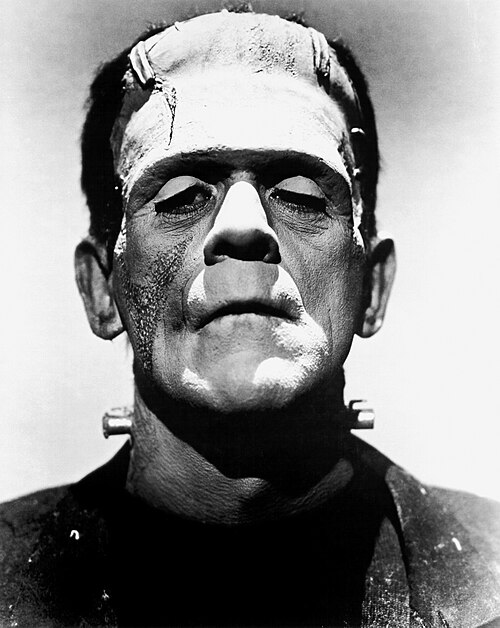
Actor Boris Karloff as Doctor Frankenstein's creation in the 1931 film Frankenstein. By the time the film's sequel, Bride of Frankenstein, arrived in 1935, enforcement of the Code was in full effect, and the doctor's overt God complex was forbidden. In the first picture, however, when the creature was born, his mad scientist creator was free to proclaim "Now I know what it feels like to be God!"

Some directors found ways to get around the Code guidelines; an example of this was in Alfred Hitchcock's 1946 film Notorious, where he worked around the rule of three-second-kissing by having the two actors break off every three seconds. The whole sequence lasts two and a half minutes.