Progressivism in the United States is a left-leaning political philosophy and reform movement. Into the 21st century, it advocates policies that are generally considered social democratic and part of

The Bosses of the Senate, a cartoon by Joseph Keppler depicting corporate interests—from steel, copper, oil, iron, sugar, tin, and coal to paper bags, envelopes and salt—as giant money bags looming powerfully over the tiny, weak U.S. Senators

Upton Sinclair's The Jungle exposed Americans to the horrors of the Chicago meatpacking plants.
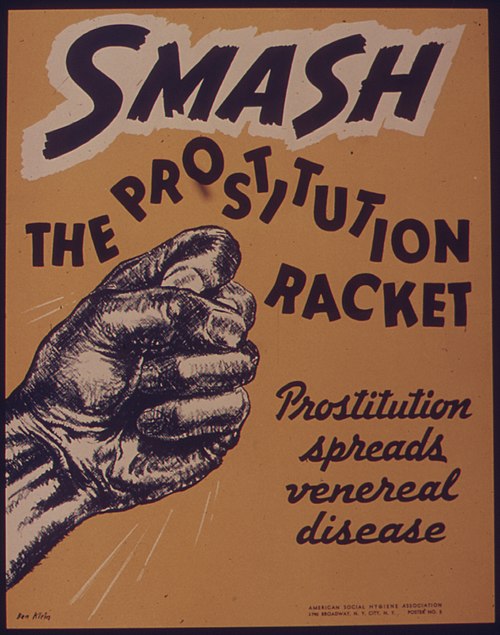
United States federal government World War II era poster against prostitution

A poster highlighting the situation of child labor in the United States in the early 20th century
Bernie Sanders
Videos
Bernard Sanders is an American politician and activist serving as the senior United States senator from Vermont, a seat he has held since 2007. He is the longest-serving independent in U.S. congressio
Progressivism in the United States
…progressives argue its broad framework allows for financial institutions to continue to take advantage of consumers and the government. Among others, Bernie Sanders has argued for reimplementing Glass-Steagall, which regulated banking more strictly, and for breaking up financial institutions where market-share is…

Sanders in 2026

Sanders as a senior in high school, 1959

University of Chicago President George Beadle and Sanders at the CORE meeting on housing sit-ins in Ida Noyes Hall, February 1962

Sanders in the University of Chicago yearbook, 1964