Protocarnivorous plant
Videos
Photos
A protocarnivorous plant, according to some definitions, traps and kills insects or other animals but lacks the ability to either directly digest or absorb nutrients from its prey like a carnivorous plant. The morphological adaptations such as sticky trichomes or pitfall traps of protocarnivorous plants parallel the trap structures of confirmed carnivorous plants.

Mucilage-tipped bracts and immature flower of Passiflora foetida, a protocarnivorous plant.

Charles Darwin postulated that Erica tetralix might be carnivorous

Darlingtonia californica does not produce its own digestive enzymes.

Plumbago auriculata, showing the abundant trichomes present on the calyces.
Carnivorous plant
Videos
Photos
Carnivorous plants are plants that derive some or most of their nutrients from trapping and consuming animals or protozoans, typically insects and other arthropods, and occasionally small mammals and birds. They still generate all of their energy from photosynthesis. They have adapted to grow in waterlogged sunny places where the soil is thin or poor in nutrients, especially nitrogen, such as acidic bogs.
They can be found on all continents except Antarctica, as well as many Pacific islands. In 1875, Charles Darwin published Insectivorous Plants, the first treatise to recognize the significance of carnivory in plants, describing years of painstaking research.

An upper pitcher of Nepenthes lowii, a tropical pitcher plant that supplements its carnivorous diet with tree shrew droppings.
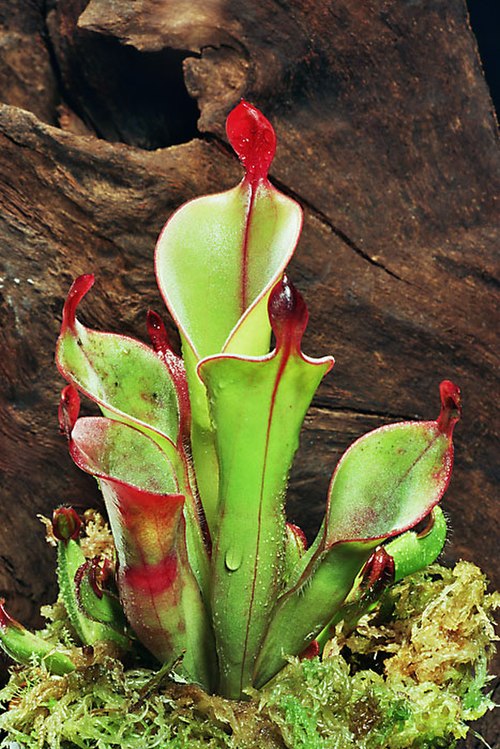
The pitchers of Heliamphora chimantensis are an example of pitfall traps.

Darlingtonia californica: note the small entrance to the trap underneath the swollen "balloon" and the colourless patches that confuse prey trapped inside.
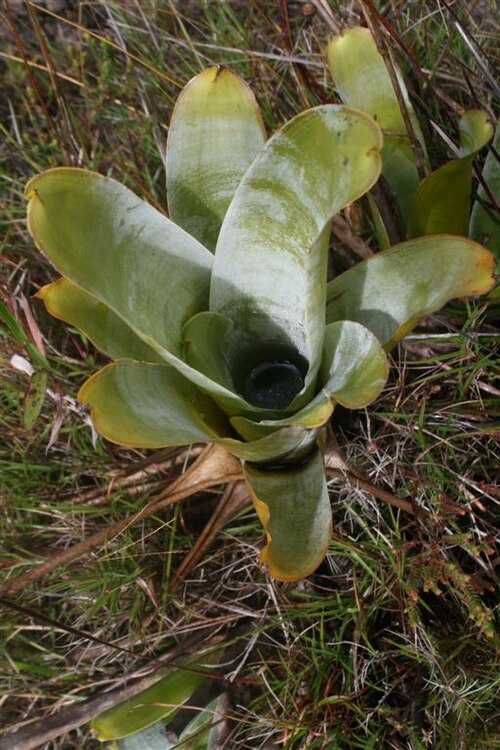
Brocchinia reducta: a carnivorous bromeliad