Purgatory
Videos
Purgatory is a belief in Catholic theology. It is a passing intermediate state after physical death for purifying or purging a soul before entering Heaven. A common analogy is dross being removed from
Image of a fiery purgatory by Ludovico Carracci. Top: Christ directing, with Mary and interceding saints. Middle: Angel showing a soul the intercessors. Bottom: souls being purged with various attitudes.


Image of a non-fiery purgatory (Gustave Doré: illustration for Dante's Purgatorio, Canto 24 in Divine Comedy). Right: Dante and companions observe. Middle: willing souls gather round a sweet-smelling tree with fruit they cannot eat, to be purged of residual gluttony.

Dante gazes at Purgatory (shown as a mountain) in this 16th-century painting.

Purgatory, by Peter Paul Rubens. Top: Trinity, with Mary; Middle: Angels; Lower: purified souls being pulled up towards heaven; Bottom: souls in non-fiery purgation
Hell
Videos
In religion and folklore, Hell is a location or state in the afterlife in which souls are subjected to punishment after death. Religions with a linear divine history sometimes depict hells as eternal,
Purgatory
…may even use the word "purgatory" to describe the similar rabbinical concept of Gehenna, though Gehenna is also sometimes described as more similar to hell or Hades. Some Christians, typically Roman Catholics, recognize the doctrine of Purgatory. The Eastern Orthodox are less likely to use the term, although…

The Last Judgment (detail), c.1431, by Fra Angelico depicting people being tormented in hell

Hel (1889) by Johannes Gehrts, depicts the Old Norse Hel, a goddess-like figure, in the location of the same name, which she oversees

Preserved colonial wall paintings of 1802 depicting Hell, by Tadeo Escalante, inside the Church of San Juan Bautista in Huaro, Peru
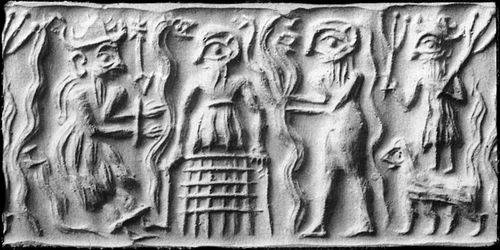
Ancient Sumerian cylinder seal impression showing the god Dumuzid being tortured in the Underworld by galla demons