RGB color model
Videos
The RGB color model is an additive color model in which the red, green, and blue primary colors of light are added together in various ways to reproduce a broad array of colors. The name of the model
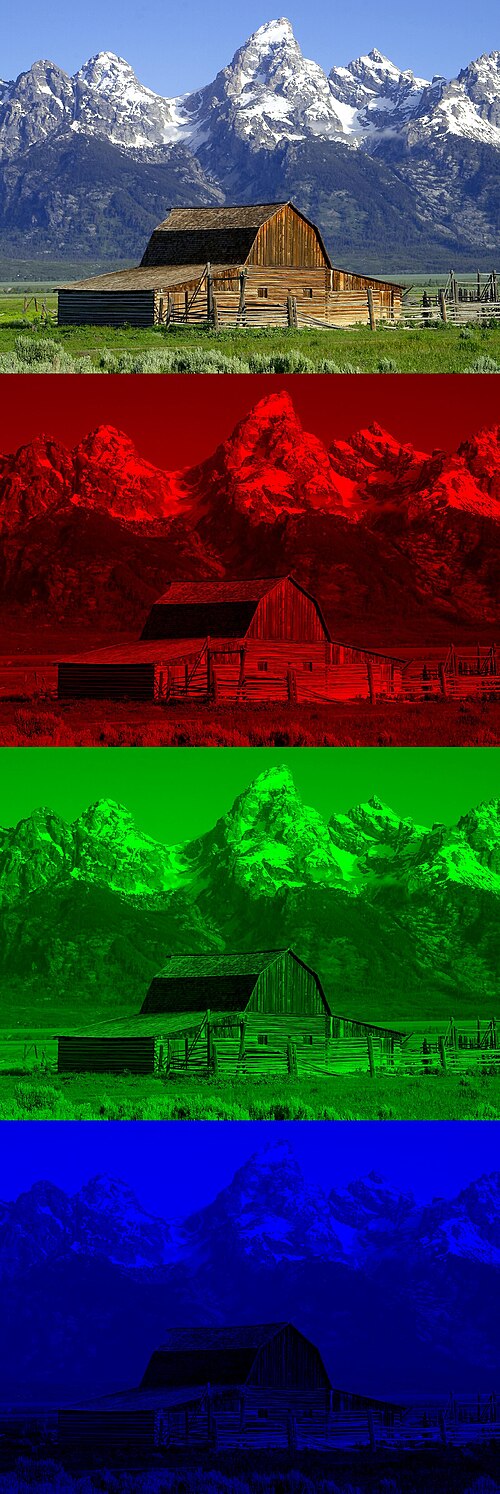
Full color image along with its R, G, and B components

The first permanent color photograph, taken by Thomas Sutton in 1861 using James Clerk Maxwell's proposed method of three filters, specifically red, green, and violet-blue

A photograph of Mohammed Alim Khan (1880–1944), Emir of Bukhara, taken in 1911 by Sergey Prokudin-Gorsky using three exposures with blue, green, and red filters
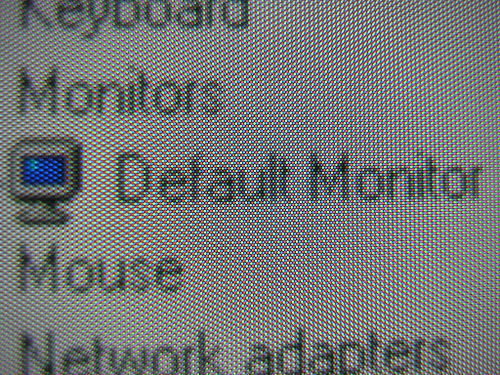
RGB phosphor dots in a CRT monitor
Primary color
Videos
Primary colors are colorants or colored lights that can be mixed in varying amounts to produce a gamut of colors. This is the essential method used to create the perception of a broad range of colors
RGB color model
…The RGB color model is an additive color model in which the red, green, and blue primary colors of light are added together in various ways to reproduce a broad array of colors. The name of the model comes from the initials of the three additive…
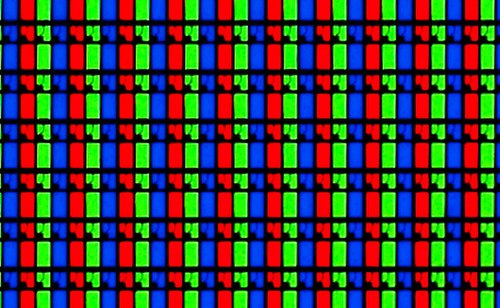
A photograph of the red, green, and blue elements (subpixels) of an LCD. Additive mixing explains how light from these colored elements can be used for photorealistic color image reproduction.

Color Mixing Guide, John L. King 1925, cover and plates describing yellow, red, and blue color mixing

An 1896 self-portrait by Anders Zorn clearly showing a four-pigment palette of what are thought to be white, yellow ochre, vermillion, and black pigments

Johann Heinrich Lambert's "Farbenpyramide" tetrahedron published in 1772. Gamboge (yellow), carmine (red), and Prussian blue pigments are used the corner swatches of each "level" of lightness with mixtures filling the others and white at the top.