Randolph Bourne
Videos
Photos
Randolph Silliman Bourne was a progressive writer and intellectual born in Bloomfield, New Jersey, and a graduate of Columbia University. He is considered to be a spokesman for the young radicals living during World War I. His articles appeared in journals including The Seven Arts and The New Republic. Bourne is best known for his essays, especially his unfinished work "The State," discovered after he died. From this essay, which was published posthumously and included in Untimely Papers, comes the phrase "war is the health of the state" that laments the success of governments in arrogating authority and resources during conflicts.

Randolph Bourne
Pragmatism
Videos
Photos
Pragmatism is a philosophical tradition that views language and thought as tools for prediction, problem solving, and action, rather than describing, representing, or mirroring reality. Pragmatists contend that most philosophical topics—such as the nature of knowledge, language, concepts, meaning, belief, and science—are all best viewed in terms of their practical uses and successes.

Charles Peirce: the American polymath who first identified pragmatism
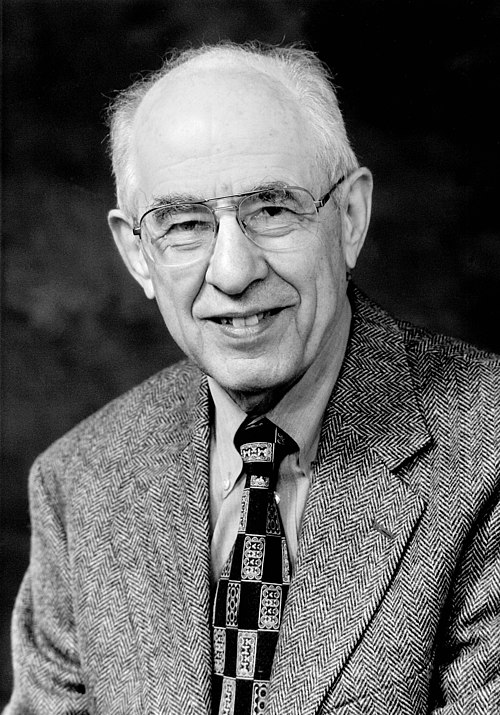
Hilary Putnam said that the combination of antiskepticism and fallibilism is a central feature of pragmatism.

The "Chicago Club" including Mead, Dewey, Angell, and Moore. Pragmatism is sometimes called American pragmatism because so many of its proponents were and are Americans.