Rassam cylinder
Videos
The Rassam cylinder is a cuneiform cylinder, forming a prism with ten faces, written by Neo-Assyrian king Ashurbanipal in 643 BCE. The 7th century BCE cylinder was discovered in the North Palace of Ni
Rassam cylinder of Ashurbanipal. A 10-sided prism and the most complete of the chronicles of Ashurbanipal. Nineveh, 643 BCE. British Museum.


Assyrian siege of an Egyptian fort, probably a scene from the war in 667 BCE. Sculpted in 645 – 635 BCE, under Ashurbanipal. British Museum.

Transcription of the cuneiform script of the first column.

Translation of the first column by Luckenbill: Introduction and First Campaign of Egypt.
Ashurbanipal
Videos
Ashurbanipal was the king of the Neo-Assyrian Empire from 669 BC to his death in 631. He is generally remembered as the last great king of Assyria. Ashurbanipal inherited the throne as his father Esar
Ashurbanipal, closeup from the Lion Hunt of Ashurbanipal


The victory stele of Esarhaddon, Ashurbanipal's father. The front side depicts Esarhaddon and the sides depict the two crown princes Ashurbanipal (on the side shown here) and Shamash-shum-ukin (on the opposite side), Pergamon Museum.
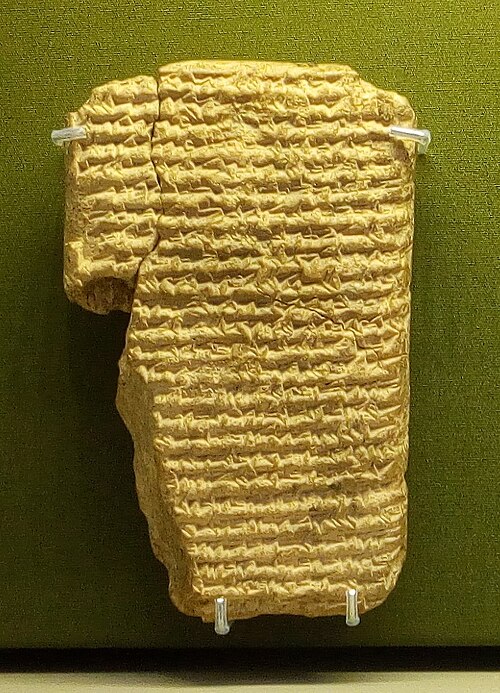
A copy of the Zakutu Treaty, drawn up by Ashurbanipal's grandmother Naqi'a in 669 BC, imploring the populace of Assyria to swear loyalty to Ashurbanipal.