Red-giant branch
Videos
The red-giant branch, sometimes called the first giant branch, is the portion of the giant branch before helium ignition occurs in the course of stellar evolution. It is a stage that follows the main

The brightest stars in globular clusters such as NGC 288 are red giants.
Main sequence
Videos
In astronomy, the main sequence is a classification of stars which appear on plots of stellar color versus brightness as a continuous and distinctive band. Stars spend the majority of their lives on t
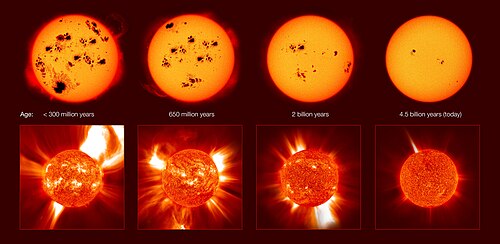
The violent youth of stars like the Sun

Hot and brilliant O-type main-sequence stars in star-forming regions. These are all regions of star formation that contain many hot young stars including several bright stars of spectral type O.

Size comparison of main sequence stars, including Proxima Centauri, the Sun, and Sirius, and the blue giant Spica
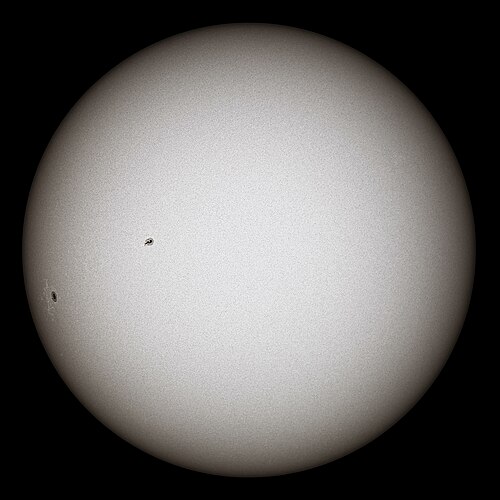
The Sun is the most familiar example of a main-sequence star