Reformation
Videos
The Reformation, also known as the Protestant Reformation or the European Reformation, was a major theological movement in Western Christianity in 16th-century Europe that posed a religious and politi
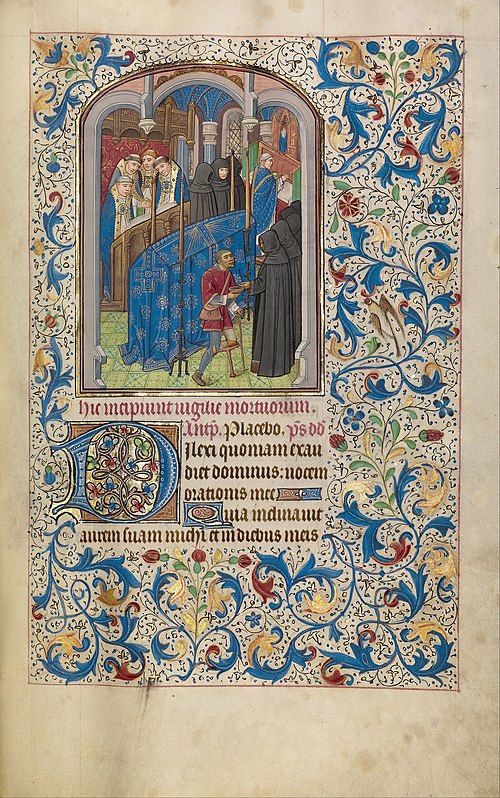
Funeral Mass with priest, choristers, bearers or mourners, and a beggar receiving alms (c. 1460–1480)

Detail of the danse macabre (1490) by John of Kastav in the Holy Trinity Church, Hrastovlje, Slovenia

The Nativity (1445) by Filippo Lippi. When painting Nativity scenes, Renaissance artists mainly portrayed maternal love instead of depicting an abstract interpretation of the Incarnation as Romanesque and Gothic artists had done.

Meeting of cardinals, bishops and theologians with Antipope John XXIII (r. 1410–1415) at the Council of Constance (from the Chronicle of the Council of Constance by Ulrich of Richenthal)
Martin Luther
Videos
Martin Luther was a German priest, theologian, author, hymnwriter, professor, and former Augustinian friar. Luther was the seminal figure of the Protestant Reformation, and his theological beliefs for
Reformation
…of the events that signified the end of the Middle Ages and the beginning of the early modern period in Europe. The Reformation is usually dated from Martin Luther's publication of the Ninety-five Theses in 1517, which gave birth to Lutheranism. Prior to Martin Luther and other Protestant Reformers, there were…
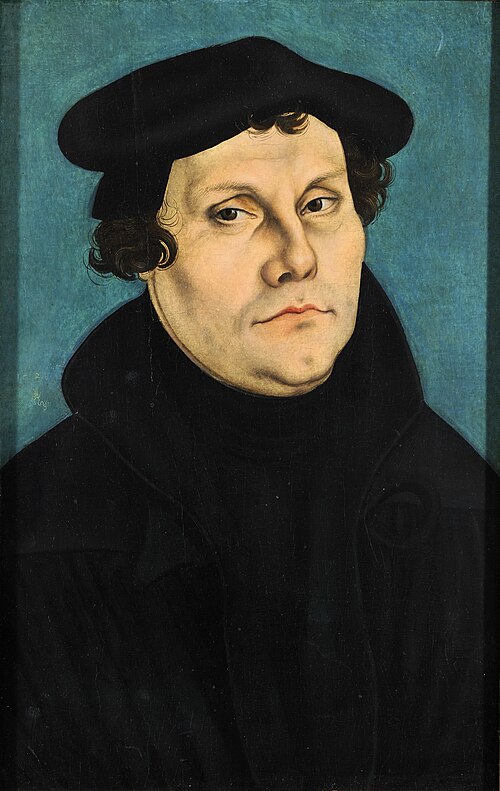
Portrait of Martin Luther, 1528

Portraits of Luther's parents, Hans and Margarethe Luther, by Lucas Cranach the Elder in 1527

In July 1505, Luther entered St. Augustine's Monastery in Erfurt

Luther's residence at the University of Wittenberg, where he began teaching theology in 1508