Reformed Christianity
Videos
Reformed Christianity, also called Calvinism, is a major branch of Protestantism that began during the 16th-century Reformation. In the modern day, it is largely represented by the Continental Reforme
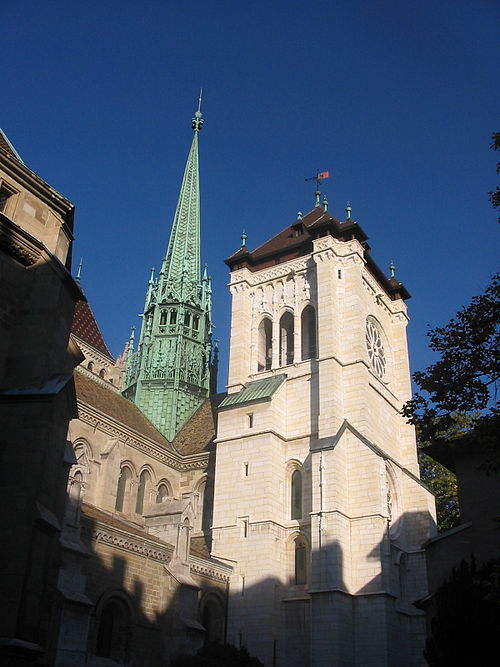
Calvin preached at St. Pierre Cathedral in Geneva.

Early Calvinism was known for simple, unadorned churches as depicted in this 1661 portrait of the interior of the Oude Kerk, Amsterdam.

Fall of Man by Jacob Jordaens
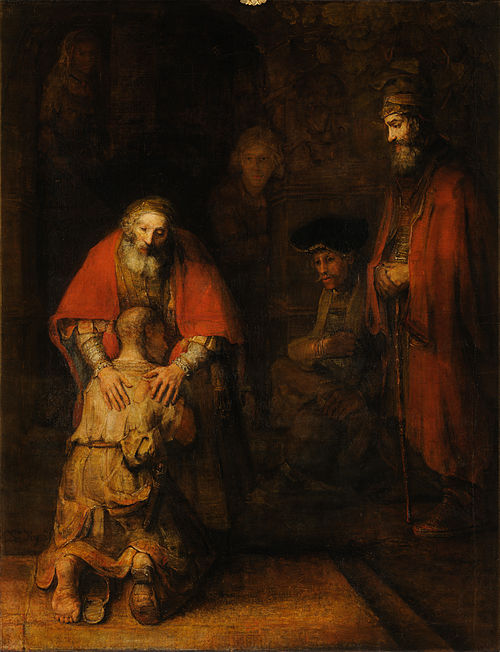
The Parable of the Prodigal Son, depicted in a portrait by Rembrandt, illustrates forgiveness.
Huguenots
Videos
The Huguenots are a religious group of French Protestants who held to the Reformed tradition of Protestantism. The term, which may be derived from the name of burgomaster Besançon Hugues, who defended
Reformed Christianity
…Calvinists, who emigrated because of arguments over church structure, including the Pilgrim Fathers. Others were forced into exile, including the French Huguenots. Dutch and French Calvinist settlers were also among the first European colonizers of South Africa, beginning in the 17th century, who became known as…

Persecution of the Waldensians in the massacre of Mérindol in 1545

Huguenots massacring Catholics in the Michelade in Nîmes

John Everett Millais' painting, A Huguenot, on St. Bartholomew's Day

The St. Bartholomew's Day massacre of French Protestants (1572). It was the climax of the French Wars of Religion, which were brought to an end by the Edict of Nantes (1598). In 1620, persecution was renewed and continued until the French Revolution in 1789.