Religious art
Videos
Religious art is a visual representation of religious ideologies and their relationship with humans. Sacred art directly relates to religious art in the sense that its purpose is for worship and relig
9th century Byzantine mosaic of the Hagia Sophia showing the image of the Virgin and Child, one of the first post-iconoclastic mosaics. It is set against the original golden background of the 6th century


Buddha statue in Sri Lanka.
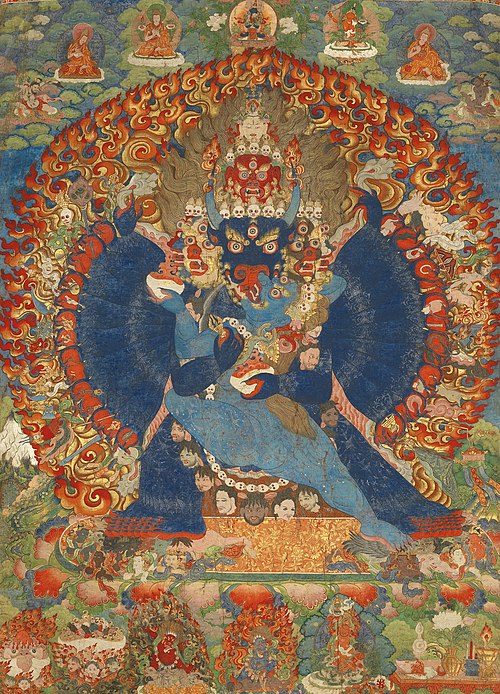
An example of Tibetan Buddhist art: Thangka Depicting Vajrabhairava, c. 1740
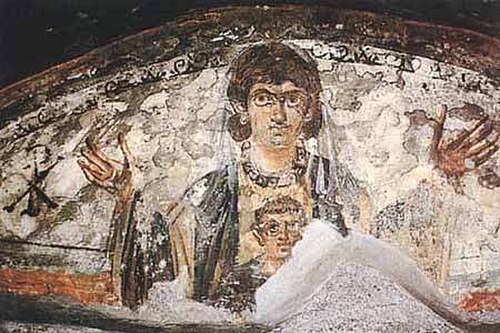
Virgin and Child. Wall painting from the early catacombs, Rome, 4th century.
Religion
Videos
Religion is a range of social-cultural systems, including designated behaviors and practices, ethics, morals, beliefs, worldviews, texts, sanctified places, prophecies, or organizations, that generall
Religious art
…religious art in the sense that its purpose is for worship and religious practices. According to one set of definitions, artworks that are inspired by religion but are not considered traditionally sacred remain under the umbrella term of religious art, but not sacred art. Other terms often used for art of…

The Buddha, Laozi, and Confucius – founders of Buddhism, Taoism (Daoism) and Confucianism – in a Ming dynasty painting
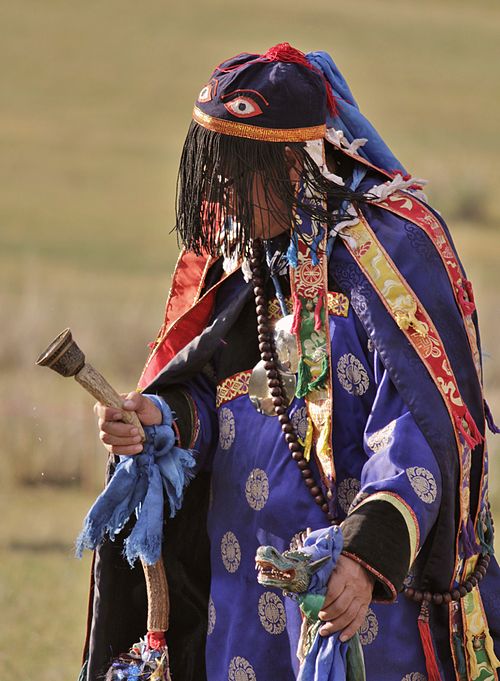
Budazhap Shiretorov (Будажап Цыреторов), the head shaman of the religious community Altan Serge (Алтан Сэргэ) in Buryatia
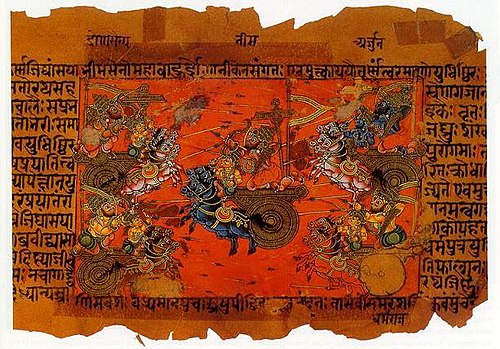
A manuscript depicting the climactic Kurukshetra War in Hindu epic Mahabharata. The Mahabharata is the longest epic poem known and a key source of Hindu mythology.

The Yazılıkaya sanctuary in Turkey, with the twelve gods of the underworld