Religious conversion
Videos
Religious conversion is the adoption of a set of beliefs identified with one particular religious denomination to the exclusion of others. Thus "religious conversion" would describe the abandoning of
The Conversion of Saint Paul, a 1600 painting by Italian artist Caravaggio (1571–1610)


The traditional normative conversion process to Judaism (gijur) of one, two or more years is finalized with ritual immersion in a natural collection of water, e.g. a river, a lake, or a mikveh.
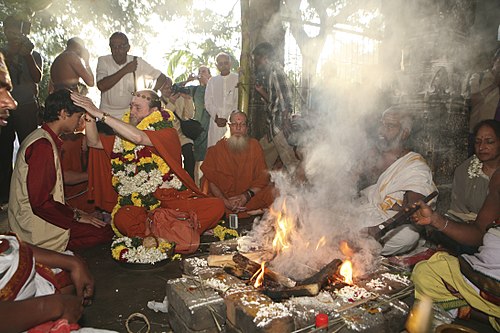
A yajna initiation to Hinduism ceremony in progress
Apostasy
Videos
Apostasy is the formal disaffiliation from, abandonment of, or renunciation of a religion by a person. It can also be defined within the broader context of embracing an opinion that is contrary to one
Religious conversion
…political representation. Proselytism is the act of attempting to convert by persuasion another individual from a different religion or belief system. Apostate is a term used by members of a religion or denomination to refer to someone who has left that religion or denomination. The religions of the world are…

Judas betrays Jesus with a kiss. Judas Iscariot, one of the Twelve Disciples, became an apostate.

A 1978 fatwa (nonbinding legal opinion) issued by the Fatawa Council at Al-Azhar, the chief centre of Islamic and Arabic learning in the world. The fatwa was issued in response to a query about an Egyptian Muslim man marrying a German Christian woman and then converting to Christianity. The council ruled that the man committed the crime of apostasy, and should be given a chance to repent and return to Islam. If he refuses, he is to be killed. The same conclusion was given for his children once they reach the age of

Mattathias killing a Jewish apostate

Logo of The Campaign for Collective Apostasy in Spain, calling for defection from the Catholic Church