René Descartes
Videos
René Descartes was a French polymath, active across philosophy, including metaphysics, epistemology, ethics, and the philosophy of science; theology; mathematics, in which he connected the previously
Portrait after Frans Hals


Descartes was born in La Haye en Touraine.

Portrait of René Descartes by Jan Baptist Weenix, 1647–1649

Portrait of René Descartes by Pieter Nason (1647)
Epistemology
Videos
Epistemology is the branch of philosophy that examines the nature, origin, and limits of knowledge. Also called the theory of knowledge, it explores different types of knowledge, such as propositional
René Descartes
…Descartes ( day-KART, also DAY-kart; French: ; 31 March 1596 – 11 February 1650) was a French polymath, active across philosophy, including metaphysics, epistemology, ethics, and the philosophy of science; theology; mathematics, in which he connected the previously separate fields of geometry and algebra into analytic…

Bertrand Russell originated the distinction between propositional knowledge and knowledge by acquaintance.
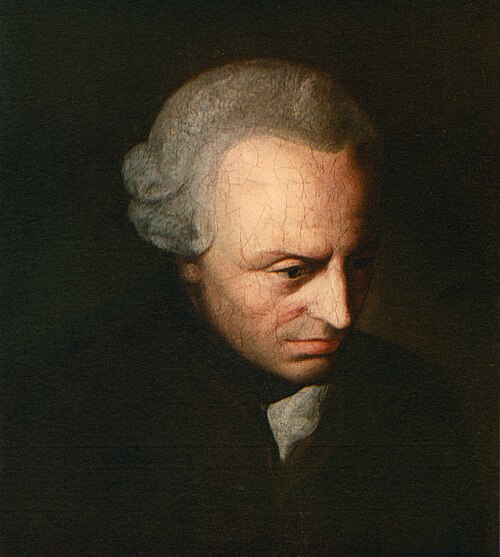
The analytic–synthetic distinction has its roots in the philosophy of Immanuel Kant.

Alvin Goldman was an influential defender of externalism.