Revolutions of 1989
Videos
The revolutions of 1989, also known as the Fall of Communism, were a wave of liberal democratic movements that resulted in the collapse of most Marxist–Leninist governments in the Eastern Bloc and oth
Poland, Warsaw Fortepan 77346 in color


West and East Germans at the Brandenburg Gate in 1989

Praha 1989 11 25, Letná, dav

Revolutia Bucuresti 1989 000
The Soviet Union was formally dissolved and ceased to exist as a sovereign state and subject of international law on December 26, 1991. It also brought an end to the Soviet Union's federal government
Revolutions of 1989
…to as the "Autumn of Nations", in reference to the revolutions of 1848 as the "Spring of Nations"). The revolutions of 1989 were a key factor in the dissolution of the Soviet Union—one of the two superpowers—and abandonment of communist regimes in many parts of the world, some of which were violently overthrown. These events…
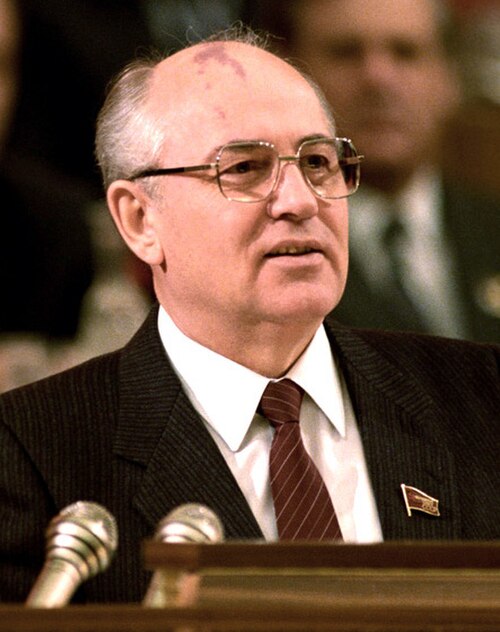
Mikhail Gorbachev in 1987

Anti-Soviet rally of about 250,000 in Lithuania, whose Sąjūdis movement helped restore independence (August 1988)

Environmental concerns over the Metsamor Nuclear Power Plant drove initial demonstrations in Yerevan.

Andrei Sakharov, formerly exiled to Gorky, was elected to the Congress of People's Deputies in March 1989.