Richard Knight (1659–1745)
Videos
Richard Knight (1659–1745), of Downton Hall, in the parish of Downton on the Rock in Herefordshire, England, was a wealthy ironmaster who operated the Bringewood Ironworks, on the Downton estate, and founded a large fortune and family dynasty.
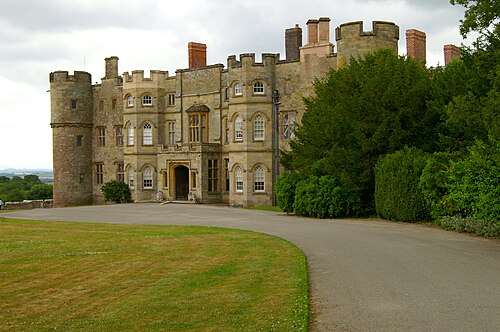
Croft Castle, Yarpole, Herefordshire, purchased in 1746 by Richard II Knight (1693-1765)

Downton Castle, Downton on the Rock in Herefordshire, re-built 1772-8 by (Richard) Payne Knight (1750-1824), MP and a connoisseur of art, who rebuilt Downton in the Gothic revival style

Lea Castle, Wolverley, Worcestershire, built after 1809 by John II Knight (1765-1850) and sold by him about 9 years later in about 1818 to help finance his purchase of Exmoor Forest. Demolished 1945 with the exception of the gatehouse which still stands
Richard Payne Knight
Videos
Richard Payne Knight of Downton Castle in Herefordshire, and of 5 Soho Square, London, England, was a classical scholar, connoisseur, archaeologist and numismatist best known for his theories of picturesque beauty and for his interest in ancient phallic imagery. He served as a Member of Parliament for Leominster (1780–84) and for Ludlow (1784–1806).


Bust of Payne Knight (1812) by John Bacon the Younger in the British Museum

Four figures from Discourse on the worship of Priapus and its connection with the mystic theology of the ancients as republished by George Witt in 1865

An Account of the Remains of the Worship of Priapus (1786).