River pirate
Videos
A river pirate is a pirate who operates along a river. The term has been used to describe many different kinds of pirate groups who carry out riverine attacks in Asia, Africa, Europe, North America, a

The Yangtze River of China, a hotbed of river pirate activity from the nineteenth century until the end of the Chinese Civil War in 1949, which was combated by patrols of American and European gunboat flotillas.

The Mekong River, where modern-day Asian river piracy exists.

A Mekong River sampan boat, typically used by modern-day Asian river pirates

The Balkan Narentines, of the ninth and tenth centuries, were known for piracy on the River Neretva. The Ushkuiniks were Russian Novgorodian Volga river pirates from the tenth to the fourteenth centuries. Both medieval river pirate groups were Slavic versions of Viking river raiders.
Piracy
Videos
Piracy is an act of robbery or criminal violence by ship or boat-borne attackers upon another ship or a coastal area, typically intending to steal cargo and valuable goods, or take hostages. Those who
River pirate
…A river pirate is a pirate who operates along a river. The term has been used to describe many different kinds of pirate groups who carry out riverine attacks in Asia, Africa…
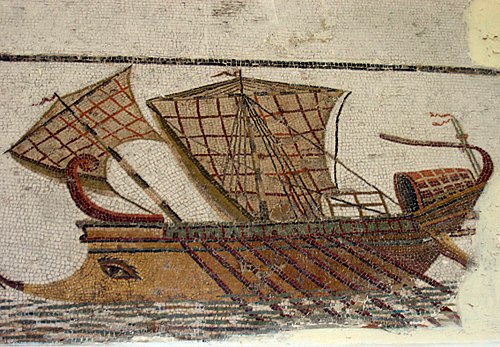
A mosaic of a Roman trireme in Tunisia

A fleet of Vikings, painted mid-12th century
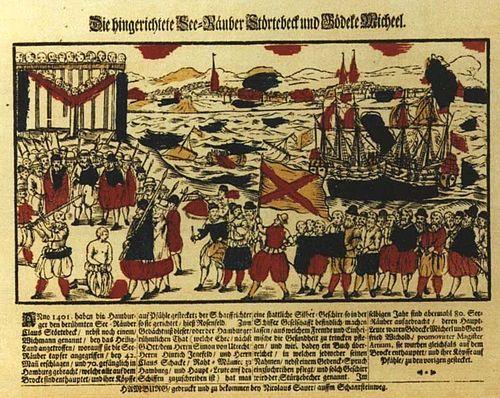
The Vitalienbrüder. Piracy became endemic in the Baltic Sea in the Middle Ages because of the Victual Brothers.

Cossacks of Azov fighting a Turk ship by Grigory Gagarin